Blog
Ideas on process automation, workflow design, and cutting manual busywork for growing teams.

Why Agencies Re-Explain the Same Onboarding Info to Every New Team Member
Radhika Mandhar's reporting on tribal-knowledge businesses includes a construction firm where a new project manager spent his first three months just trying to understand the actual approval process, and a food manufacturer where two products failed a client audit within four months of the one person who knew the real quality-control process leaving. Agencies hit the same pattern with new hires specifically, not just new clients, and it costs a little every single time someone joins instead of once.

by Youssef Elbeqqal
Automation That Just Moves the Bottleneck Somewhere Else
A Faros AI survey of 10,000 developers found AI coding assistants generated 98% more pull requests, with those bundles 154% larger, and code review time up 91%: the bottleneck didn't go away, it moved from writing code to reviewing it, and got worse in the move. Goldratt's Theory of Constraints explains why: speeding up a step that isn't the actual constraint just piles more work in front of whatever the real constraint is, and agency automation hits the same trap when the human review step isn't built to absorb the faster, bigger flow arriving at it.
by Youssef Elbeqqal
Why Approvals Stall Longest on the Smallest Deliverables
C. Northcote Parkinson observed a committee approve an entire nuclear power plant with barely a comment, then spend disproportionate time debating the materials for a bicycle shed, because small details are easier to have an opinion on than complex ones. The same pattern shows up in agency approvals: strategy decks clear fast, captions and color choices stall, and most approval processes are built backwards, adding review rounds to the big deliverables while leaving small ones informal.
by Youssef Elbeqqal
Two People Doing One Job Isn't Coverage, It's a Symptom
Putting two people on the same responsibility looks like added coverage, but ConsultEvo's Evrim Aslan describes the actual pattern: two people answer the same issue while another customer waits, because shared ownership without one clearly accountable person is fragmented ownership, not redundancy. The fix isn't fewer or more people, it's making sure every item has exactly one visible owner, even when more than one person touches it.
by Youssef Elbeqqal
The Handoff Between Strategy and Execution Inside the Agency
When outsourced design work goes wrong, 365Outsource traces the failure back to an ambiguous strategy handoff, a team asked to execute without knowing the goal, the audience, or the positioning behind the brief. That same gap opens just as often when strategy and execution sit on the same payroll, because an internal handoff gets treated as informal, and the reasoning behind a decision stays with the person who made it instead of the document meant to carry it forward.
by Youssef Elbeqqal
The ClickUp-Airtable Zap That Breaks Every Time Someone Renames a Field
Automations that map fields by name instead of by a stable identifier keep reporting success even after a rename breaks what they're actually writing, because the run technically completes, it just completes against nothing. HEXA AI Agency's audit found one lead-routing automation that ran green for weeks while new assignments had actually stopped 11 days earlier. Catching this means checking what landed in the destination, not just whether the automation says it ran.
by Youssef Elbeqqal
What Human-in-the-Loop Actually Costs You in Time
A human review step that takes 10 minutes per item isn't sustainable and defeats the point of automating the work around it, but a well-designed one takes under 2 minutes, because the reviewer is verifying a pre-assembled draft instead of reconstructing context from scratch. Keeping a human in the loop on client-facing work is worth the time it actually costs once the review step is designed to be fast, which is a design problem, not a fixed price for having a person involved.
by Youssef Elbeqqal
How Much of an Agency's Payroll Goes to Manual Coordination
Non-billable overhead, reporting, account management admin, and internal meetings, averages 34% of total agency staff time, and client report preparation alone runs 12 to 15 hours a week per agency. That's not a sign the team works too slowly, it's a third of payroll spent on manual coordination a system should be handling, which is a different problem with a different fix than asking people to work faster.
by Youssef Elbeqqal
The Client Intake Form That Actually Prevents Scope Creep
Moderate scope creep, about 25% more hours than quoted, cut one agency's profit on a real project by 58% even though nothing about the client's requests felt unreasonable in the moment. The scope document that's supposed to prevent this usually can't, because the boundary questions it needs, what's excluded, who has sign-off authority, were never asked at intake, before the document existed to enforce them.
by Youssef Elbeqqal
The ClickUp-Airtable Sync Points Worth Automating First
ClickUp and Airtable have no native two-way integration, Airtable's own embed feature only displays data one-way and doesn't even refresh automatically, so any real sync has to run through a third-party layer. That layer is worth building for the highest-frequency, most client-visible sync points first, like status and new-client setup, not as one broad automation trying to sync everything at once.
by Youssef Elbeqqal
When Client Feedback Lands on the Wrong Version of a File
Roughly one in four marketing agencies have shipped work built on the wrong file version, at a labor cost of $2,300 to $5,750 and 6 to 15 hours of rework per incident. This isn't usually a competence failure, it's what happens when 'approved' is treated as a filename instead of a status, so the client's feedback lands on a copy that stopped being current the moment someone else touched the working file.
by Youssef Elbeqqal
The Revenue-Per-Employee Line That Signals You're Overstaffed, Not Understaffed
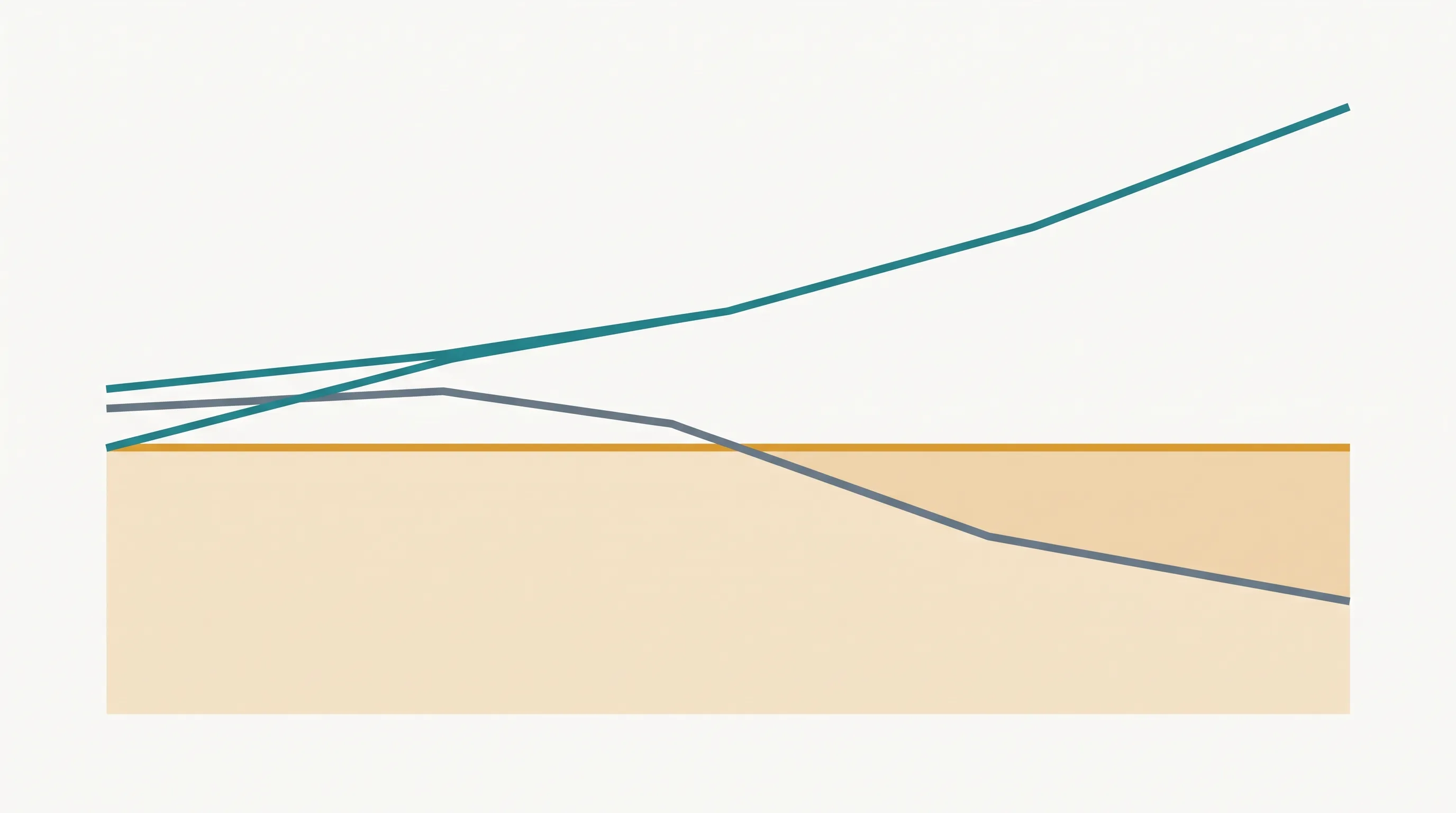
Revenue per employee below $120,000 usually signals overstaffing, underpricing, or too much non-billable drag, and an agency can hit that line even while its total revenue is growing, if headcount is growing faster. The number that matters isn't whether revenue went up, it's whether each added person made the agency more productive or just diluted it.
by Youssef Elbeqqal
Airtable vs. ClickUp for Agencies: Which One Actually Fits
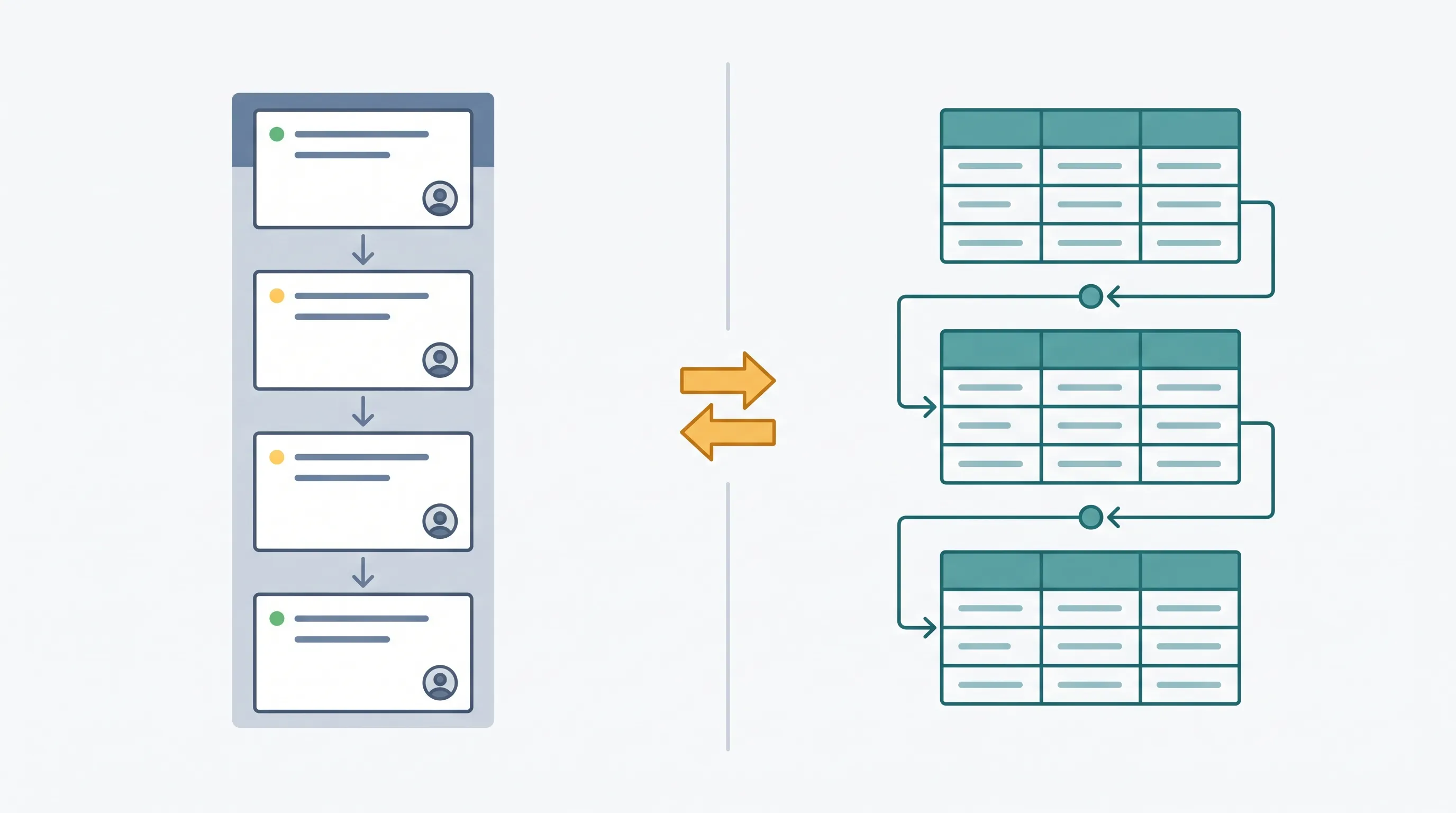
ClickUp is a task and project management tool with a task hierarchy and built-in views, starting at $7 per user a month. Airtable is a relational database that links records across tables (clients to projects to invoices) and starts at $20 per seat a month. Most agencies asking which one to pick end up running both, ClickUp for execution and Airtable for client data, because each is built for a different job.
by Youssef Elbeqqal
Why Automation Projects Stall After the Pilot
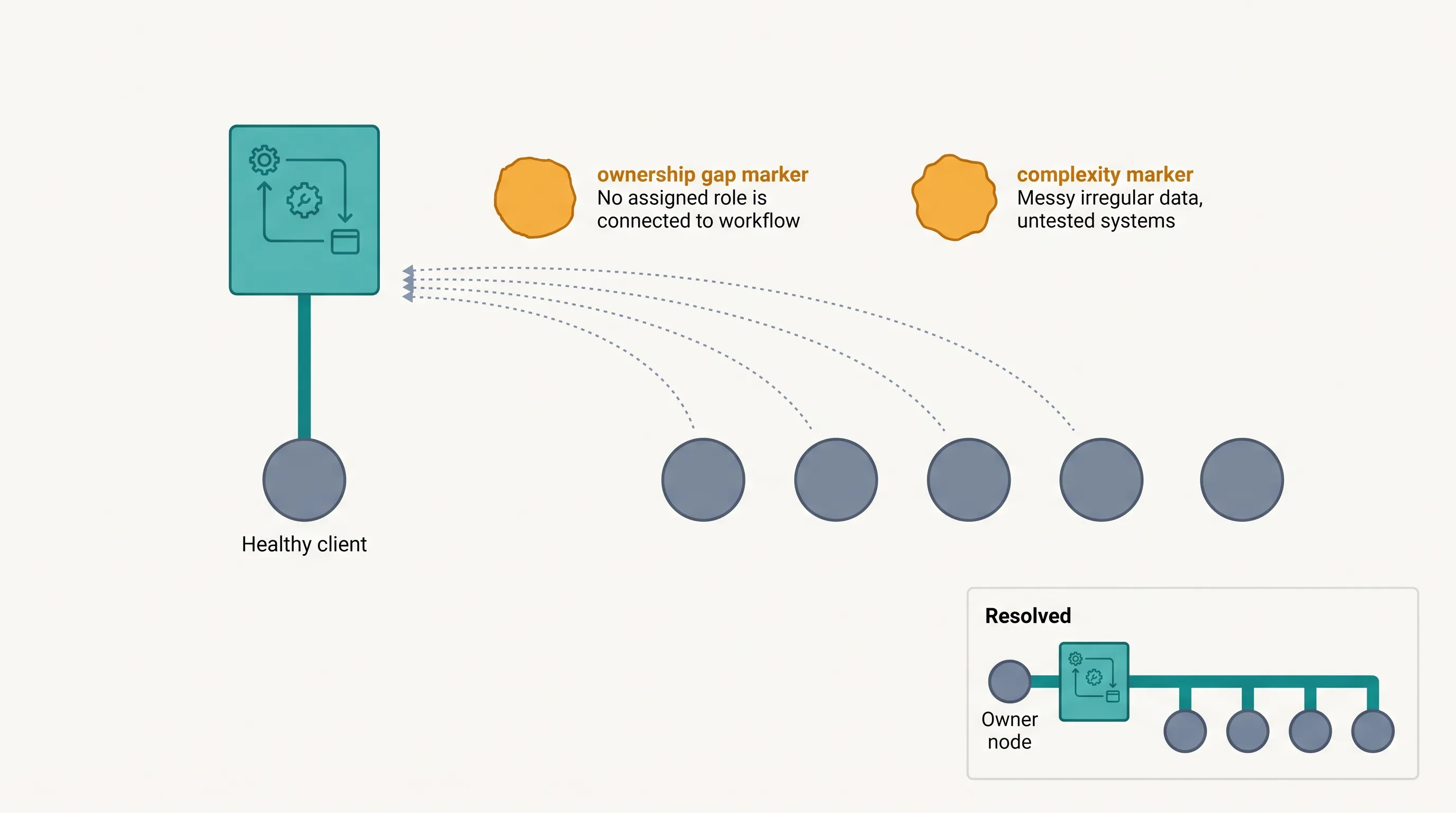
An agency's first automated workflow usually works well enough on the one client it was built for, then stays exactly that size for months because it was never handed to the person who'd actually run it elsewhere and never tested against a messier account than the one it launched on. A pilot is ready to scale when someone besides its builder can run it on a different client, not when it works once.
by Youssef Elbeqqal
When a Client's Main Point of Contact Changes Mid-Project
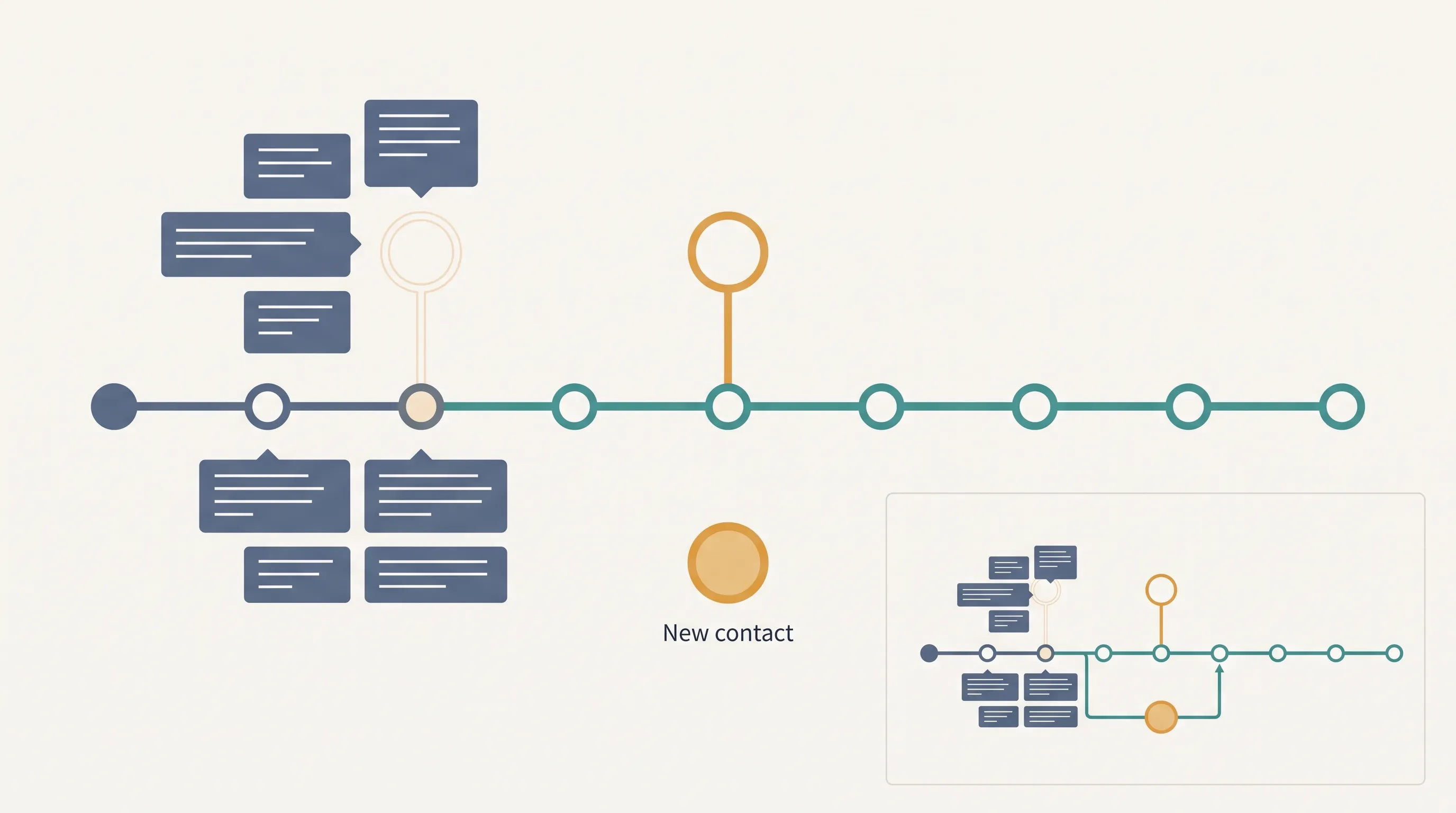
When a client's own point of contact leaves mid-engagement, the agency relationship often doesn't survive the transition to whoever replaces them, because the new contact inherits none of the context the original relationship was built on. That context needs to live in the project record, not in the departed contact's inbox, or the agency starts over with someone who has no reason to trust it yet.
by Youssef Elbeqqal
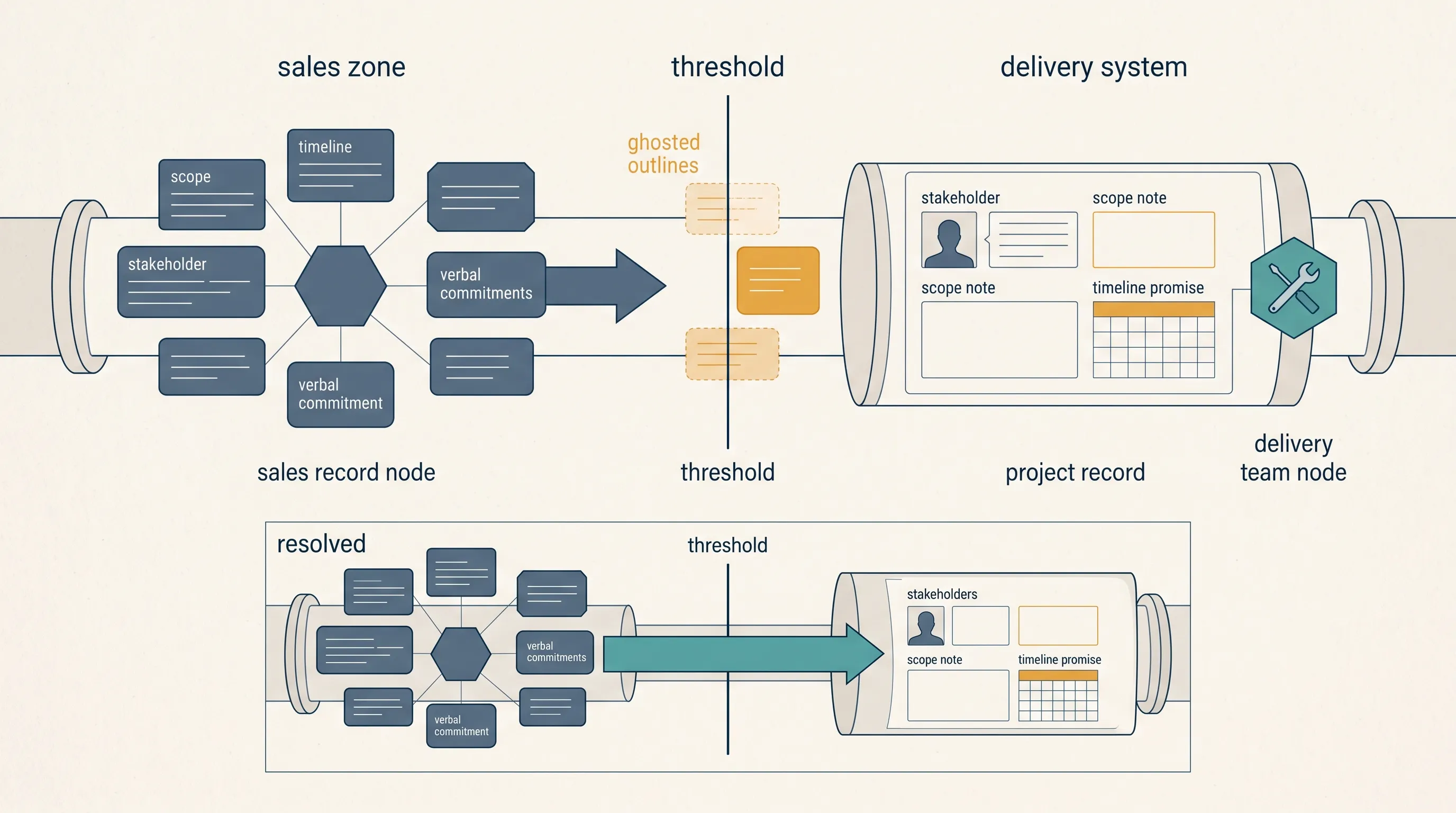
The Sales-to-Delivery Handoff Gap: Where New Client Info Gets Lost
New agency clients churn at a much higher rate than long-standing retainer clients, and the sales-to-delivery handoff is where that risk gets set: promised deliverables, timelines, and stakeholder names that lived in a sales call rarely make it fully into the project record. The fix is connecting the record that already exists into the delivery system, not writing a longer handoff document.
by Youssef Elbeqqal
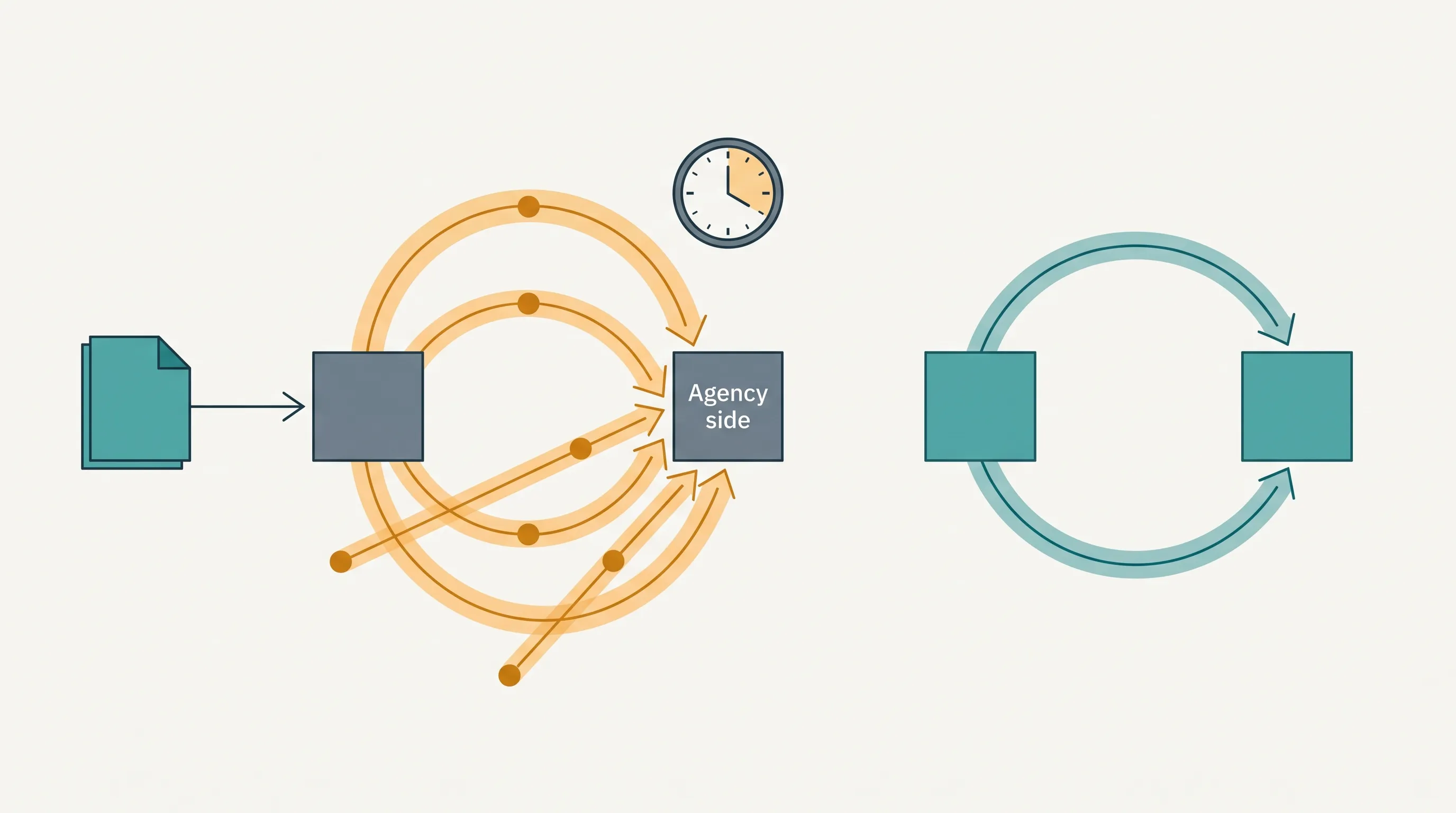
What to Do When Clients Are the Ones Holding Up Approval
A creative deliverable that should get a client response in 48 hours regularly stretches into two weeks once feedback arrives split across email, a marked-up PDF, a Loom video, and a text message that all need reconciling into one set of notes. The fix isn't automating that reconciliation away, it's giving the client one place to respond so a person only has to read one thread instead of chasing four.
by Youssef Elbeqqal
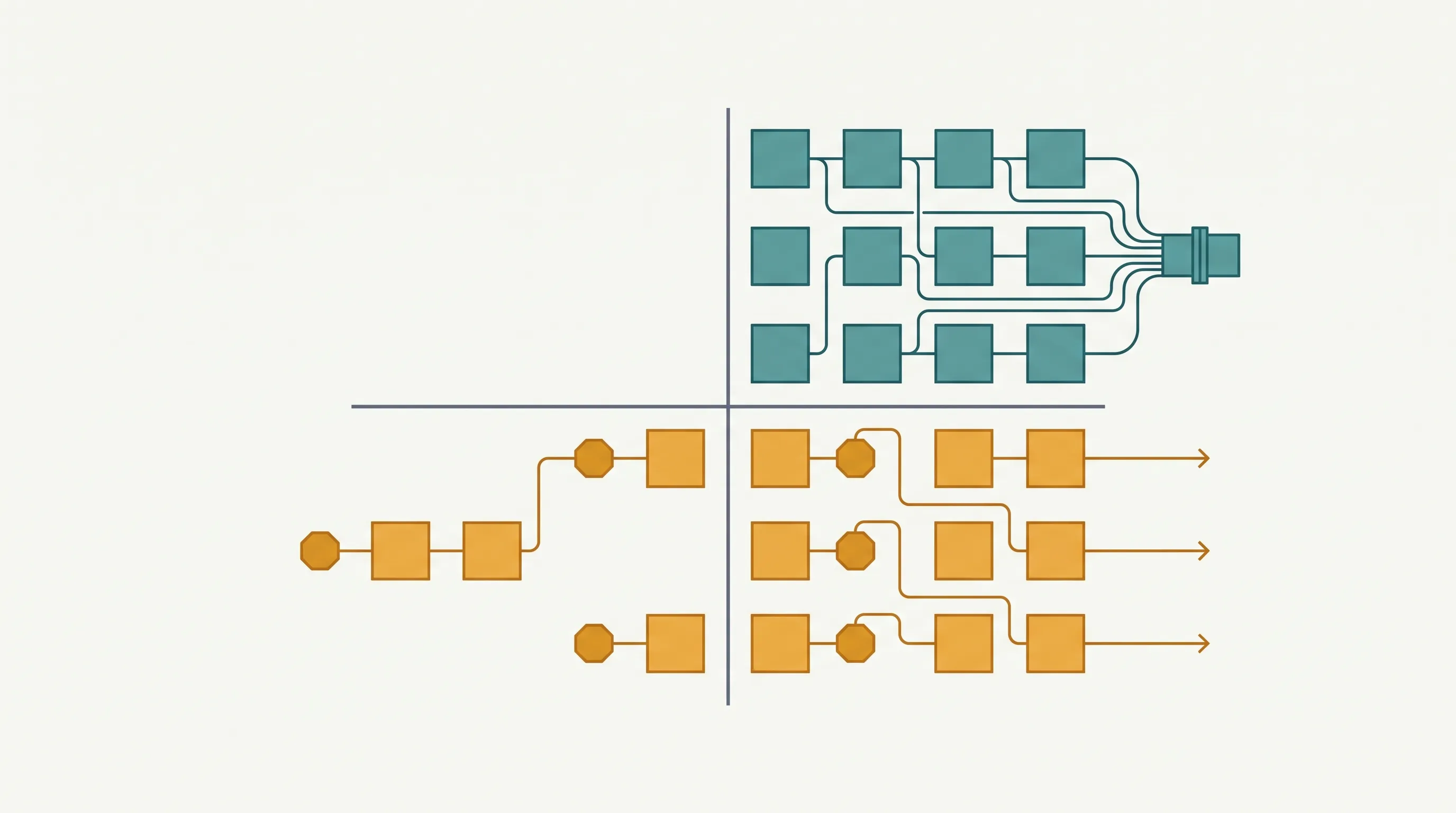
A Simple Test for What to Automate vs. What Needs a Human
A task is safe to automate when it's repeatable and a mistake in it is cheap to fix, but for agency work that second question needs a stricter answer: if a client ever sees the output, treat the cost of a mistake as high regardless of how routine the task looks. Automate the repetition behind that output, keep a human on anything a client's eyes land on.
by Youssef Elbeqqal
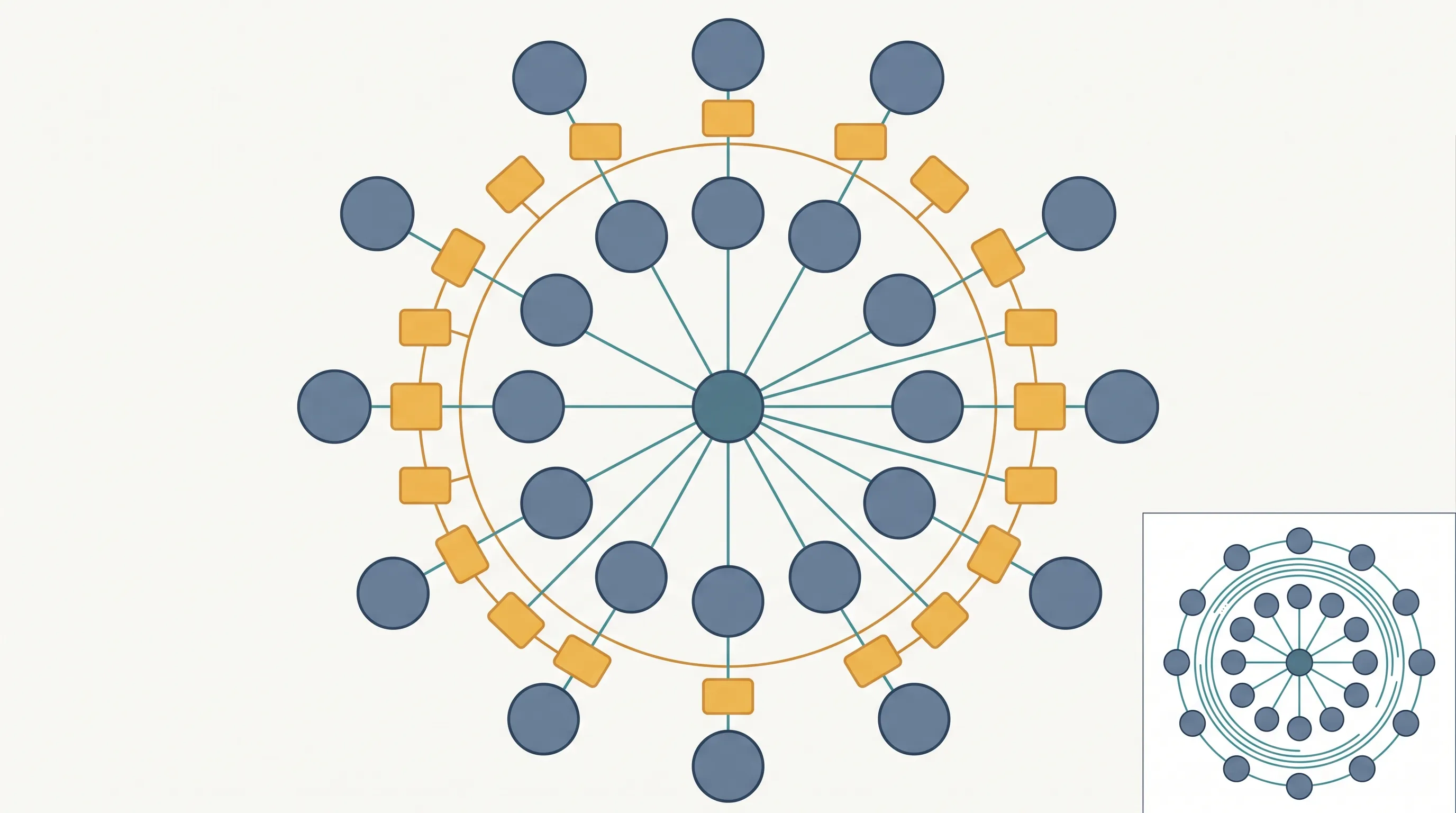
How Many Clients Can One Account Manager Actually Handle
Published benchmarks for how many clients one account manager can carry range from as few as 1 to over 20, because the number depends less on client count and more on how much of each account's time is manual coordination work. Fixing that manual layer raises the real ceiling more reliably than hiring a second account manager does.
by Youssef Elbeqqal
When No One Owns the Whole Client Account
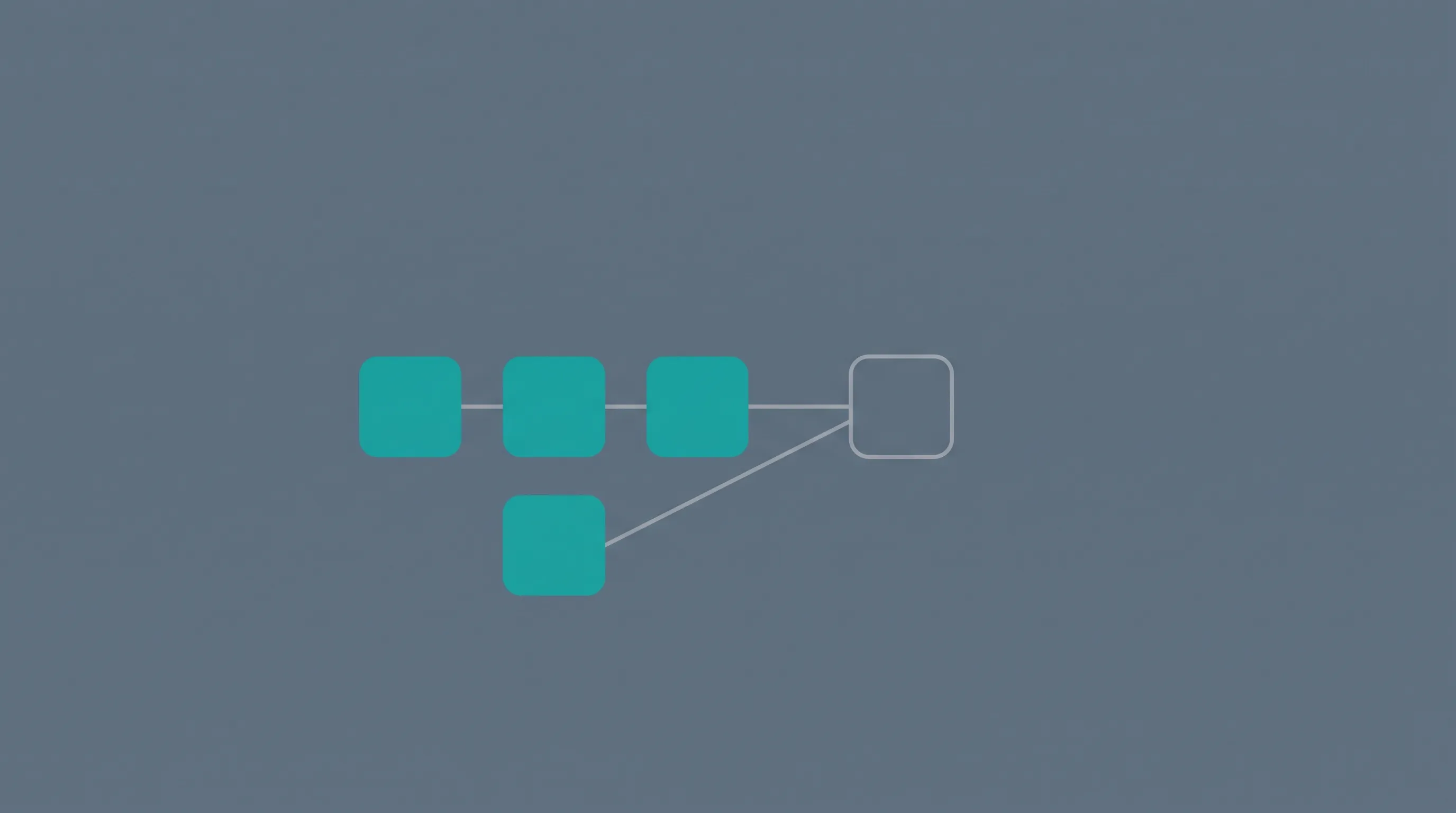
A client account split into a paid specialist, a creative specialist, and a reporting specialist ran fine for 8 months, until performance dipped and each specialist checked only their own part and called it fine. Fewer handoffs, not another specialist, turned out to be the actual fix.
by Youssef Elbeqqal

When Client Payments Live in a Spreadsheet
An agency owner two years in, juggling 15 active clients, described losing track of who'd paid and who they owed using Google Sheets, scattered emails, and memory. The failure isn't a weak invoicing tool, it's the same sync problem that breaks ClickUp and Airtable, just applied to money instead of tasks.
by Youssef Elbeqqal
The Airtable Base That Started as a Spreadsheet and Never Got Rebuilt
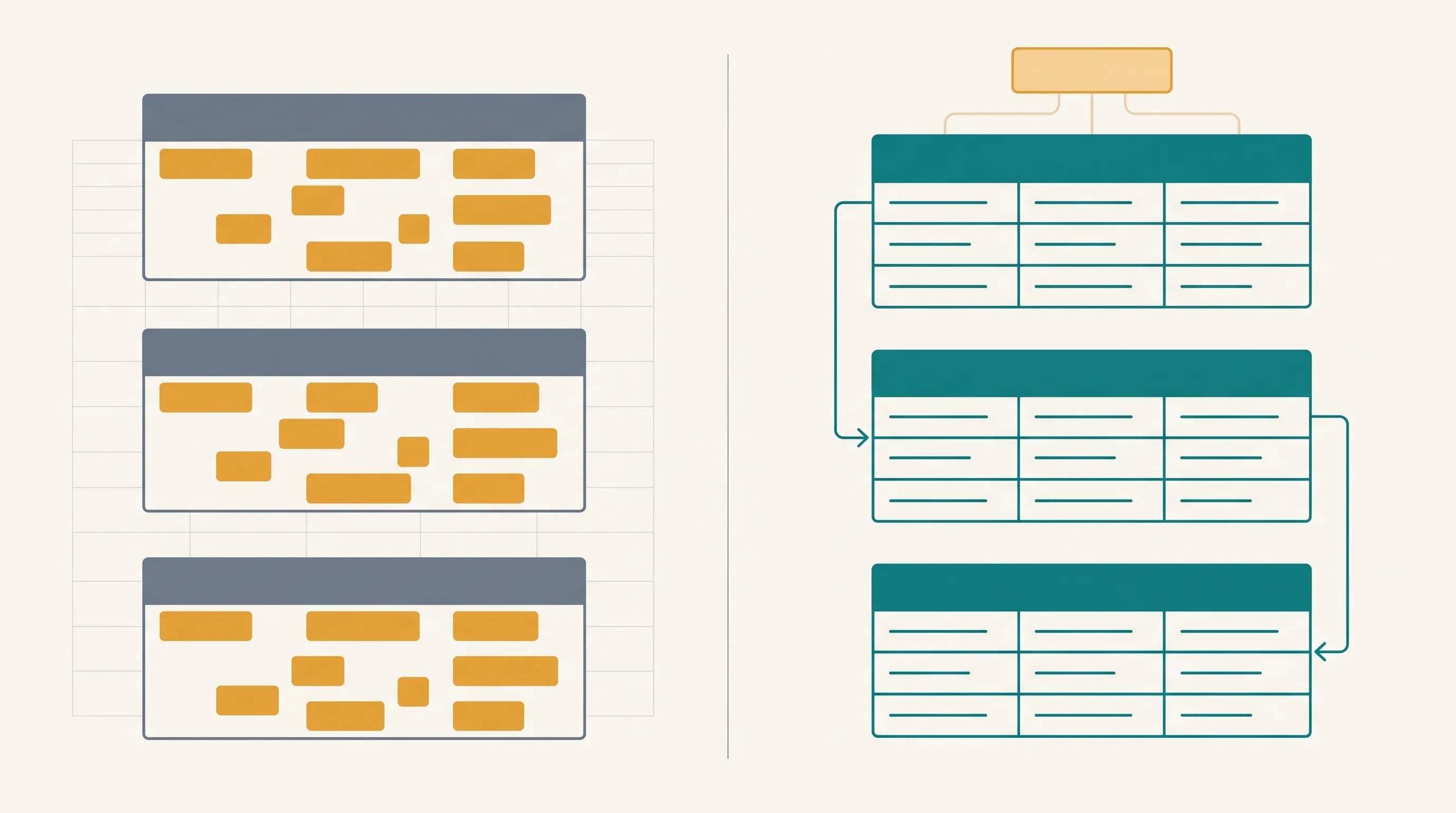
Airtable's actual value is its relational structure, linked records and rollups that connect a Clients table to Projects to Invoices automatically. A base built by importing a spreadsheet and never redesigned keeps the spreadsheet's habits instead: client names typed as free text in every table, statuses that don't match because nobody standardized them, nothing actually linked. That base is paying database-level pricing and complexity for spreadsheet-level function.
by Youssef Elbeqqal
ClickUp Won't Fix a Bad Process
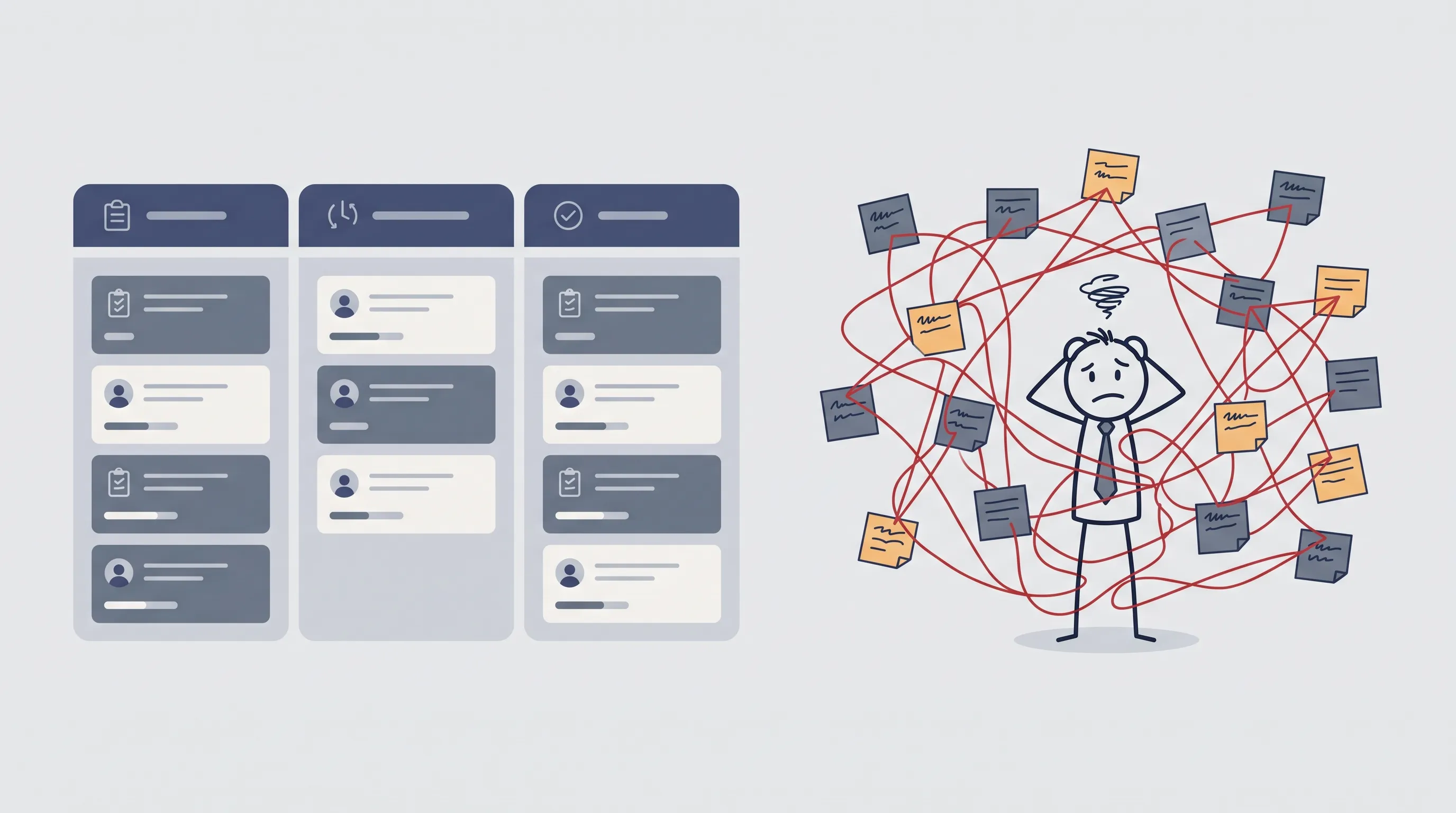
A long-time ClickUp user running a small team shared six blunt lessons after years of use: most people don't need a full seat, feature bloat should get disabled, onboarding doesn't need a curriculum, over-tasking wastes more time than it saves, and the tool itself never fixes bad management or an inconsistent team. The lessons scale up almost unchanged for a 20-50 person agency.
by Youssef Elbeqqal
Signs Your ClickUp + Airtable Sync Is Breaking
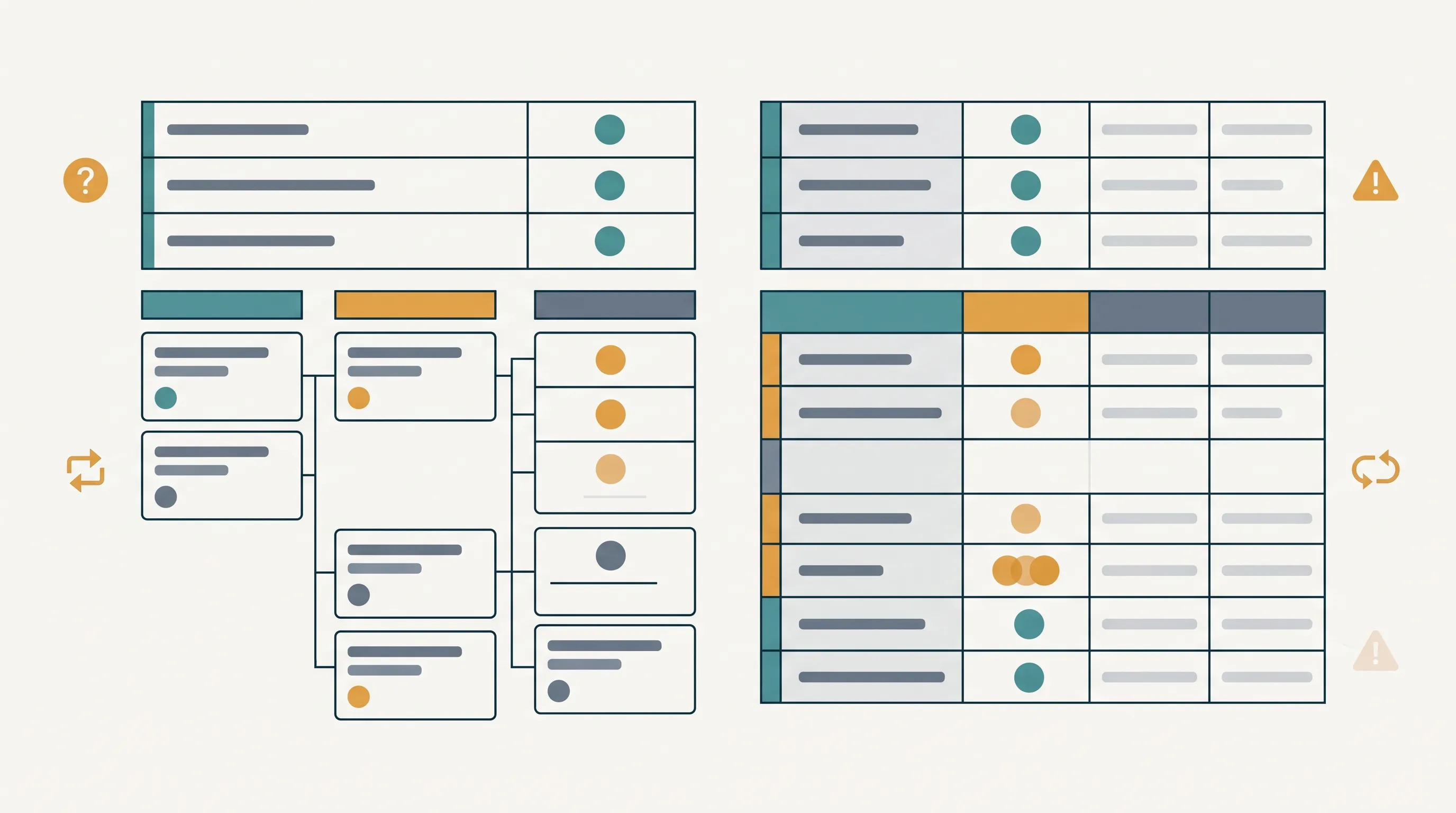
Manual sync between ClickUp and Airtable rarely fails in one obvious moment - it drifts, a little at a time, until someone notices the two tools disagree. Four early warning signs (hedged answers, onboarding that teaches manual reconciliation, a recurring cleanup ritual, and a near-miss with a client) show up well before the drift becomes a client-facing problem.
by Youssef Elbeqqal
When Multi-Stakeholder Approvals Stall
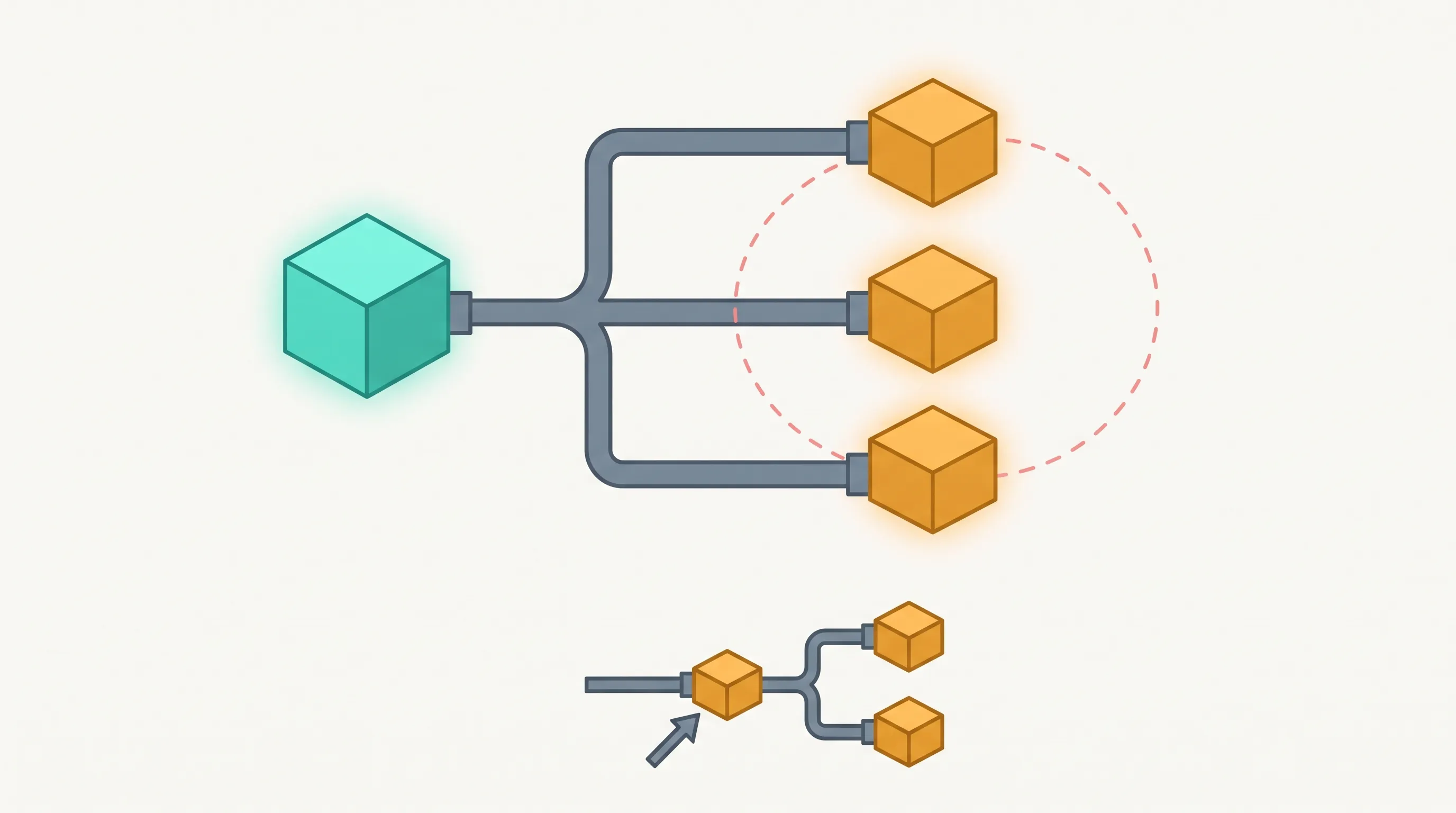
When three stakeholders all need to sign off before work ships, the notification-and-status fix that works for a single approver stops being enough. The real failure mode is diffusion of responsibility: everyone assumes someone else already said yes. Naming a single current blocker and sequencing gating approvals ahead of parallel ones fixes what a group thread can't.
by Youssef Elbeqqal
Reporting Cadence vs. What Clients Read
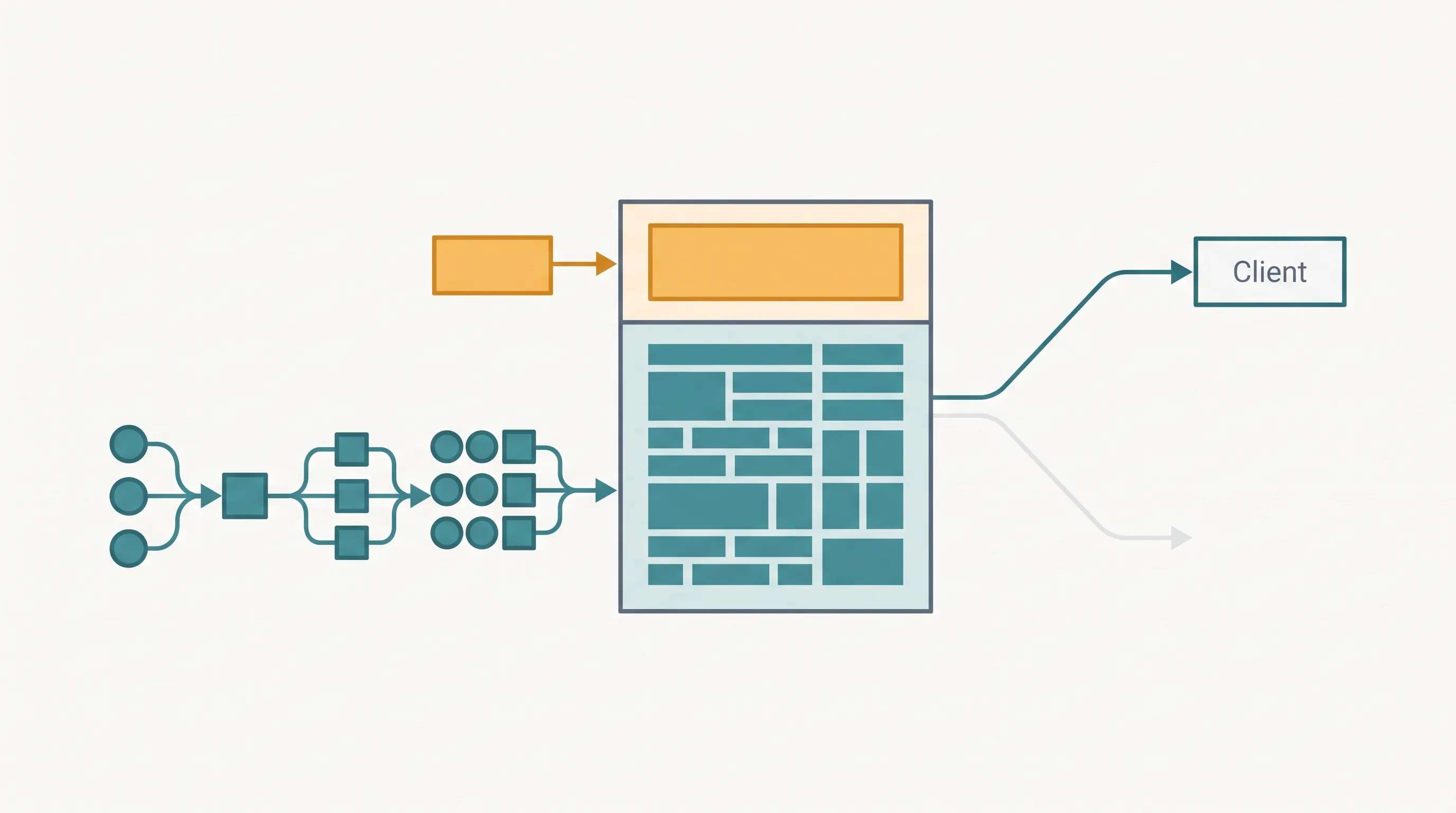
Once the data pull behind a client report is automated, it gets tempting to just include everything, since adding another metric is now free. That's part of why so many agency reports go unread: the fix isn't more automated data, it's automating the assembly while a person still decides cadence and what actually gets said.
by Youssef Elbeqqal
The Ops Hire Agencies Make Too Early
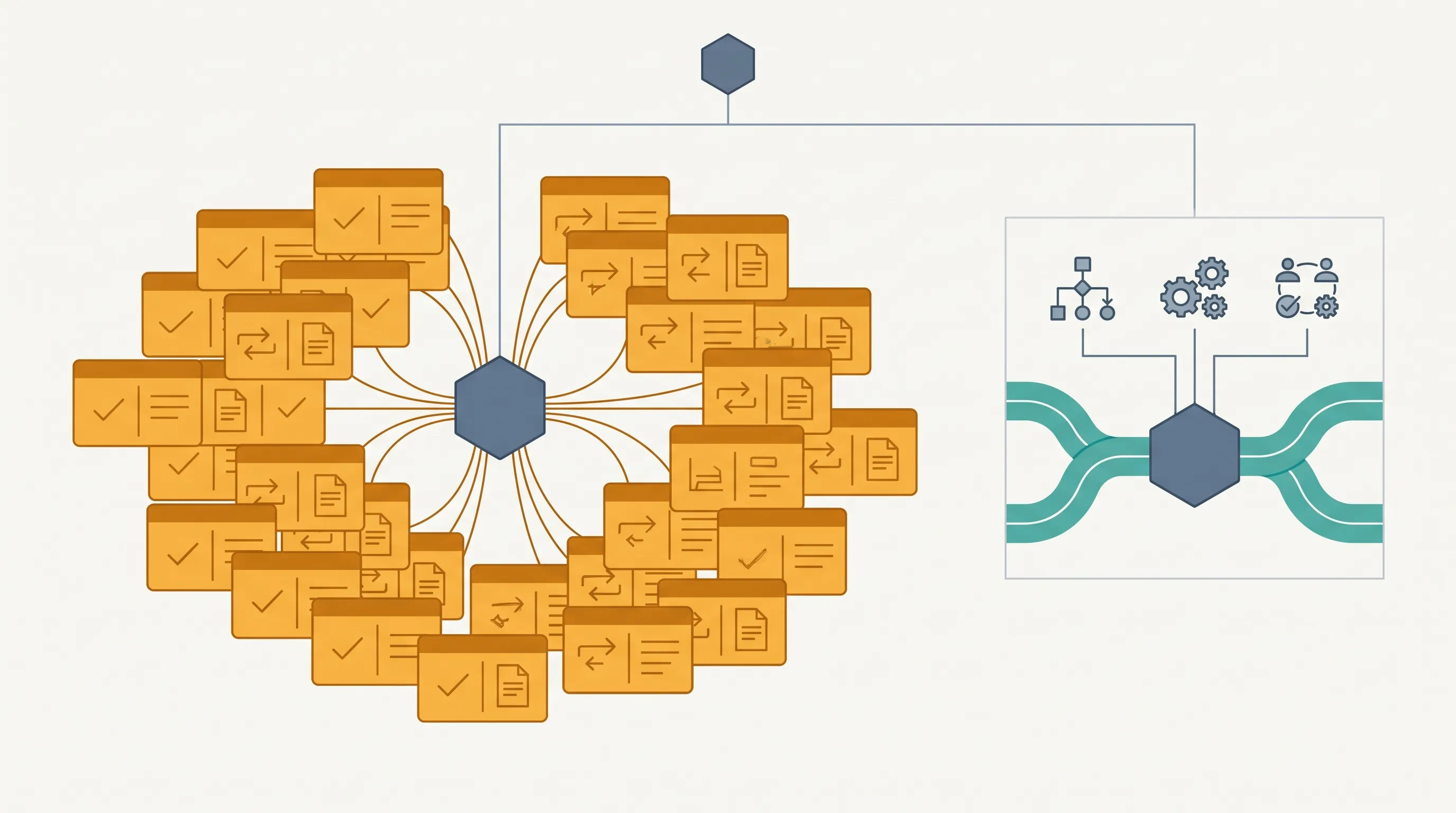
When an agency hires its first ops person to absorb growing chaos, that hire often spends their first months doing the exact manual busywork the role was supposed to fix - status chasing, retyping data, assembling reports by hand. Automating the repeatable parts first turns the same hire into a higher-leverage role instead of a single point of failure.
by Youssef Elbeqqal
The Client Offboarding Checklist Agencies Skip
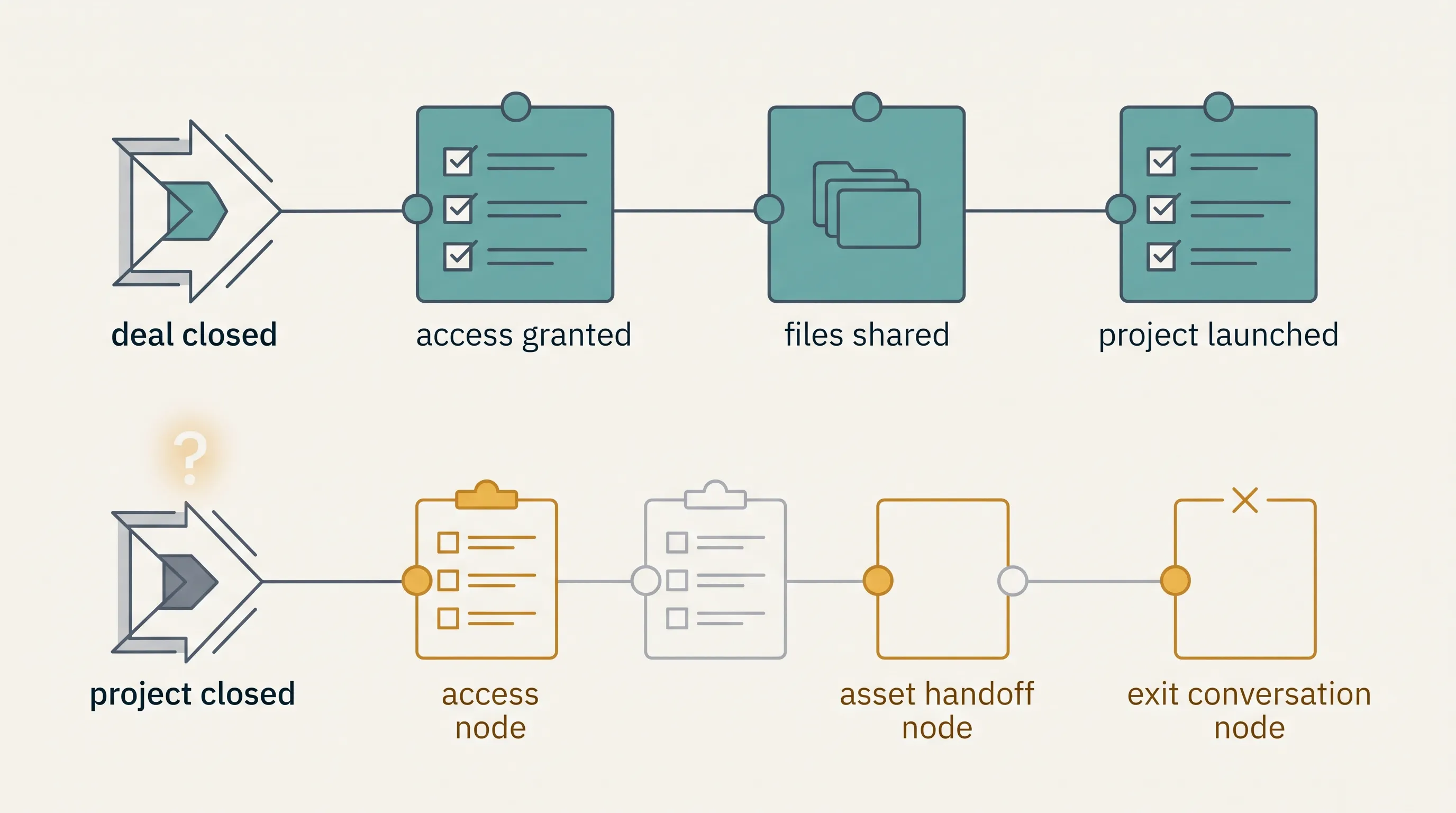
When a client relationship ends, most agencies have no formal offboarding process: access isn't revoked, assets aren't handed off, and the exit conversation that could save the account or generate a referral never happens. A repeatable checklist closes all three gaps at once.
by Youssef Elbeqqal
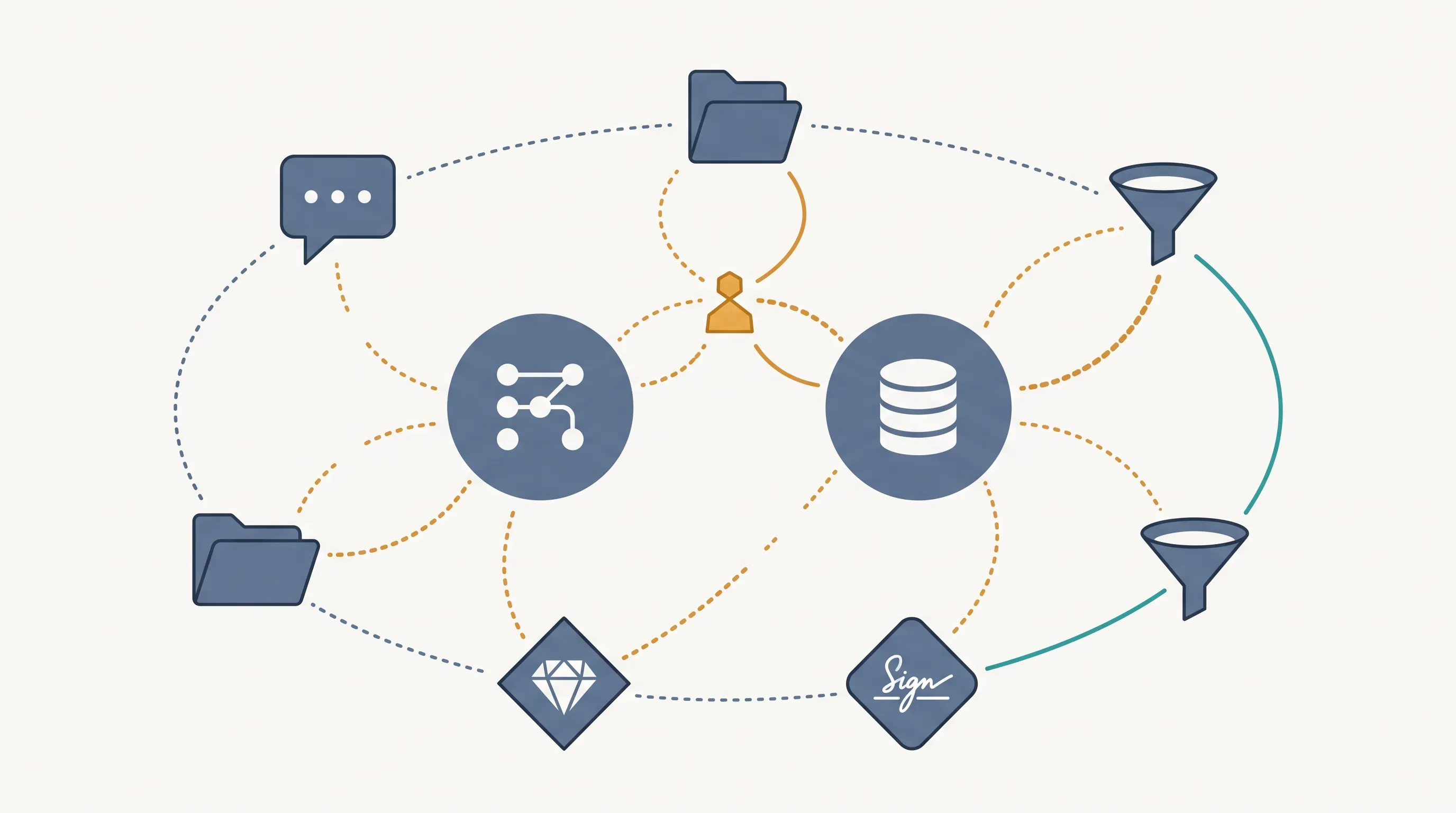
Agency Tools Beyond ClickUp and Airtable
ClickUp and Airtable are usually just two pieces of a larger agency stack that also includes Slack for communication, Google Drive or Dropbox for files, Figma or Adobe Creative Cloud for design, PandaDoc or DocuSign for proposals, and a CRM like HubSpot. Knowing the full stack matters because the real cost isn't the number of tools, it's what has to move between them by hand.
by Youssef Elbeqqal
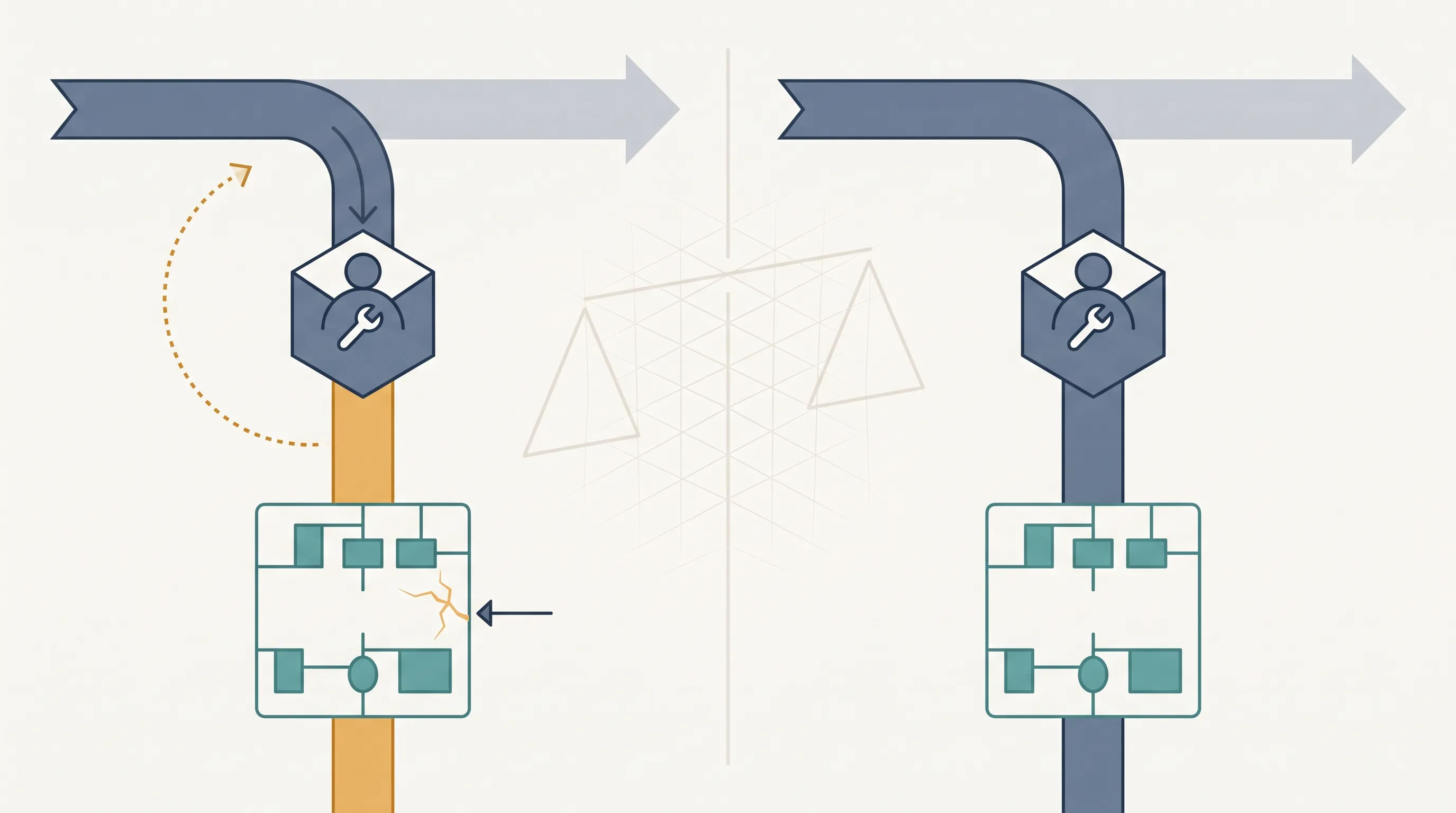
Build Automation In-House or Hire It Out?
Agencies with a technically capable team member can absolutely build their own automations. The real question isn't capability, it's opportunity cost - whether that person's time is better spent on client work or on maintaining internal tooling, and who owns it when they eventually leave.
by Youssef Elbeqqal
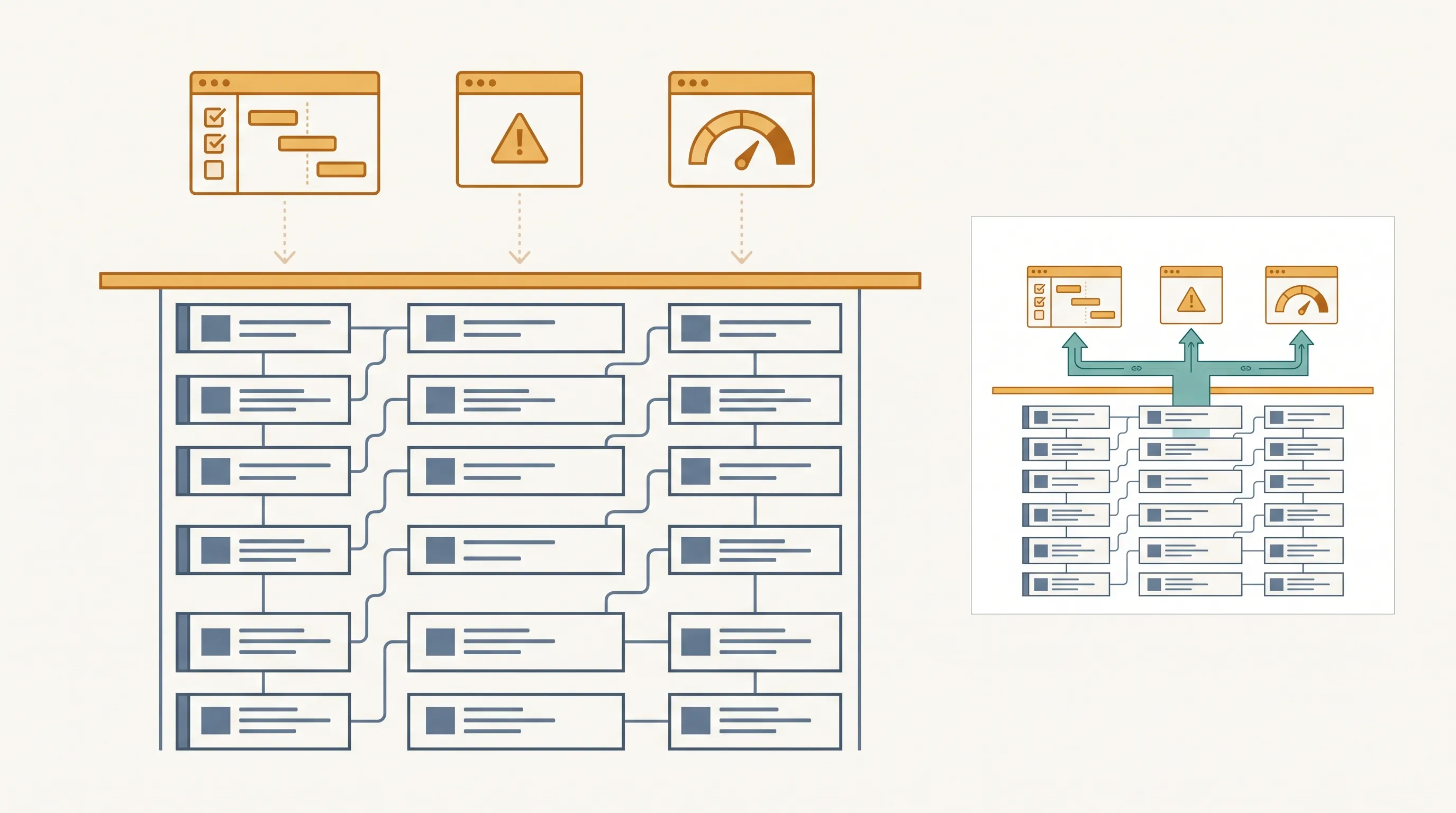
Where Airtable Hits Its Ceiling for Agencies
Airtable is a strong fit for agency client data for a long time, but it hits a real ceiling once that data needs to reach other tools automatically instead of staying inside one well-organized base. Recognizing that ceiling early prevents a slow slide back into manual syncing.
by Youssef Elbeqqal
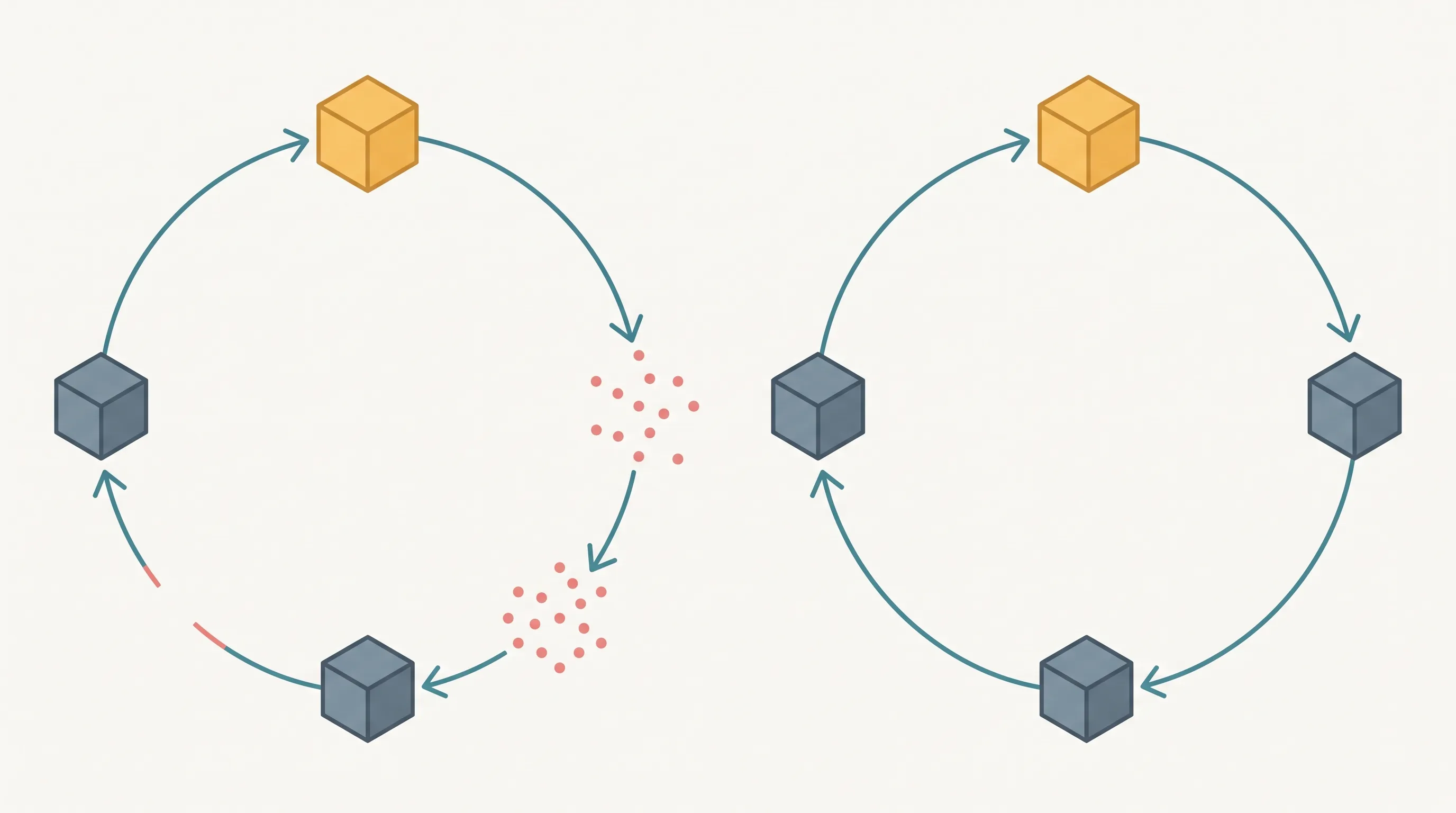
Faster Review Rounds Without Losing Quality
Agencies trying to speed up review rounds often end up cutting corners on the creative work itself, which trades quality for speed. The faster path is tightening the process around the review - routing, notification, status tracking - while leaving the actual review standards untouched.
by Youssef Elbeqqal
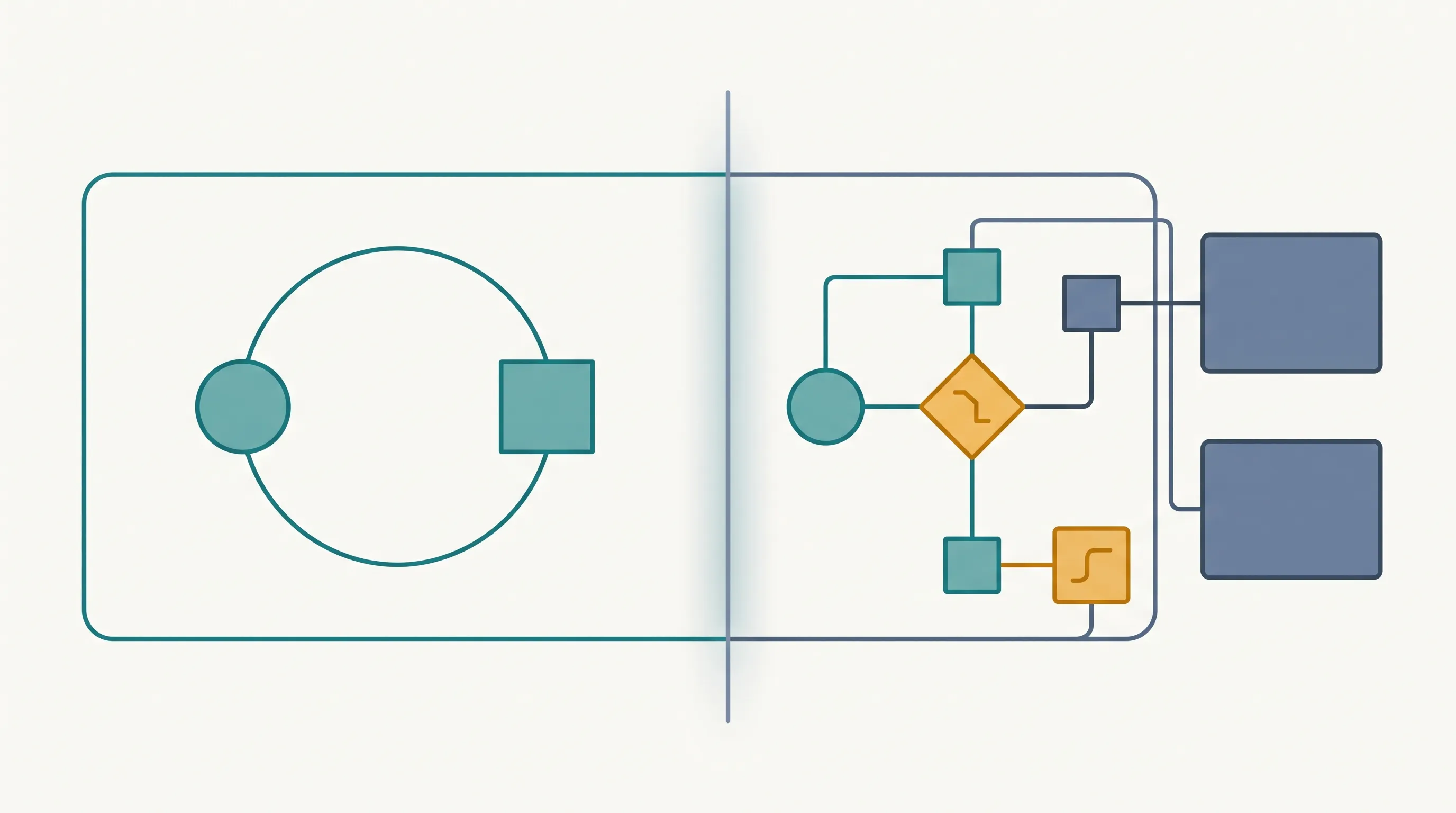
ClickUp Automations vs. Custom Adapters
ClickUp's native automations cover single-tool, rule-based triggers well - move a task, notify someone, change a status. They stop being enough the moment a workflow needs to reach outside ClickUp, handle an exception, or route through a judgment call. That's the gap a custom workflow adapter fills.
by Youssef Elbeqqal
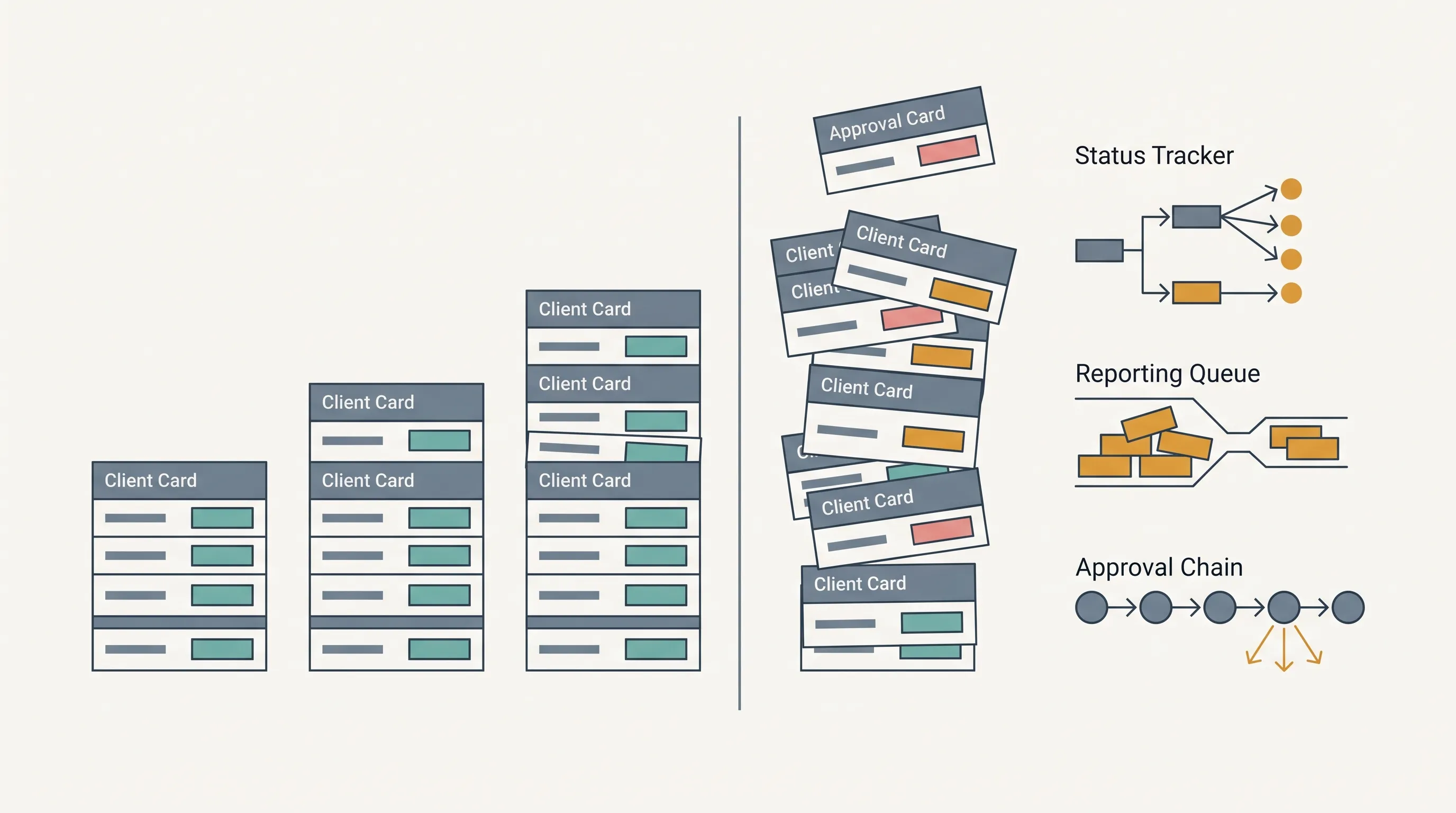
What Breaks First Past 10 Agency Clients
Manual processes that work fine for a handful of clients start breaking in a predictable order once an agency crosses roughly ten active accounts. Knowing which process fails first makes it possible to fix the actual bottleneck instead of hiring to paper over it.
by Youssef Elbeqqal
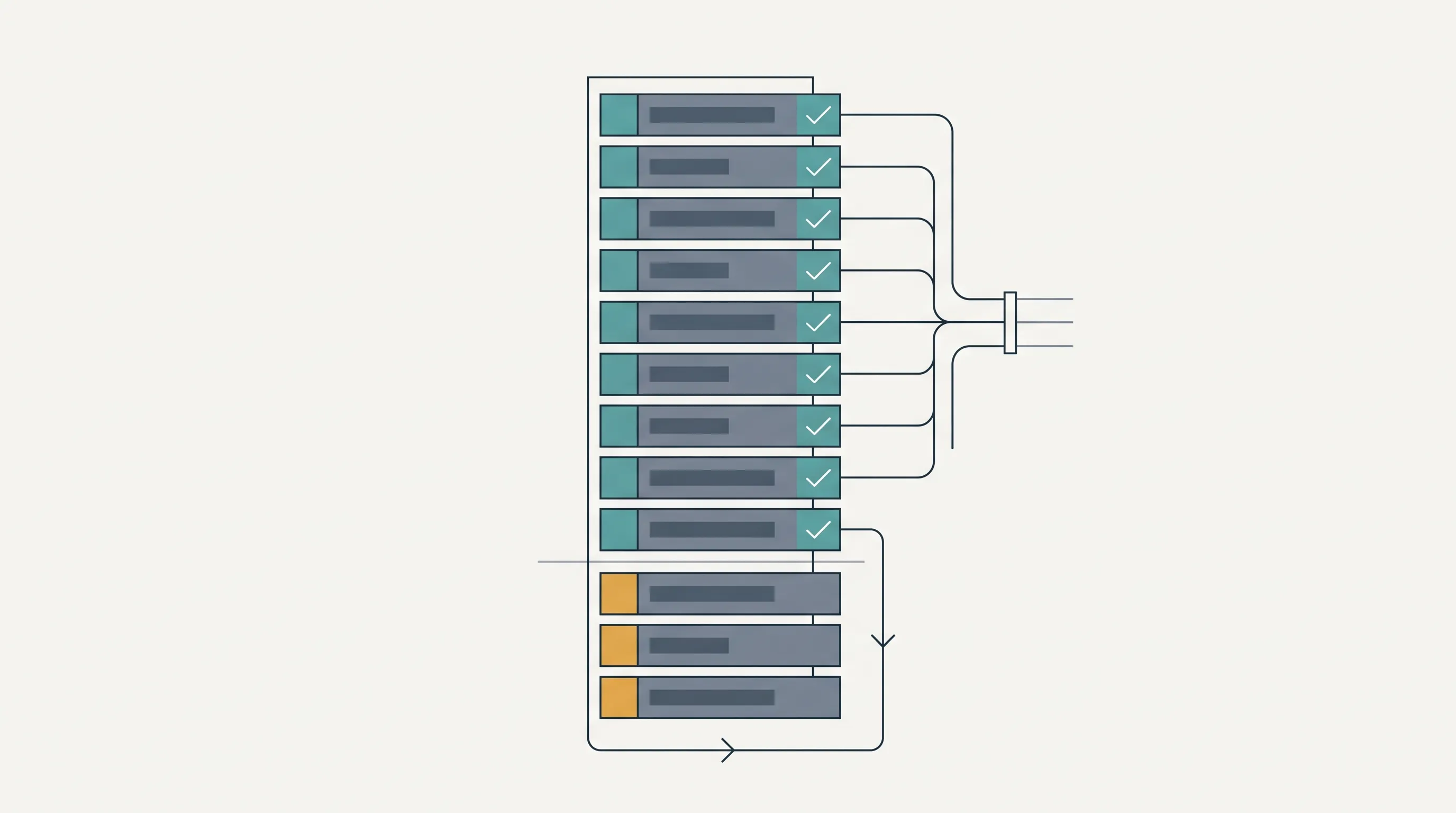
Automating the Boring 80% of Agency Ops
Most tasks inside an agency fall into one of two categories: the same steps done the same way every time, or work that genuinely needs judgment. A simple framework for sorting a task list into those two buckets makes it obvious what to automate first and what to leave alone.
by Youssef Elbeqqal
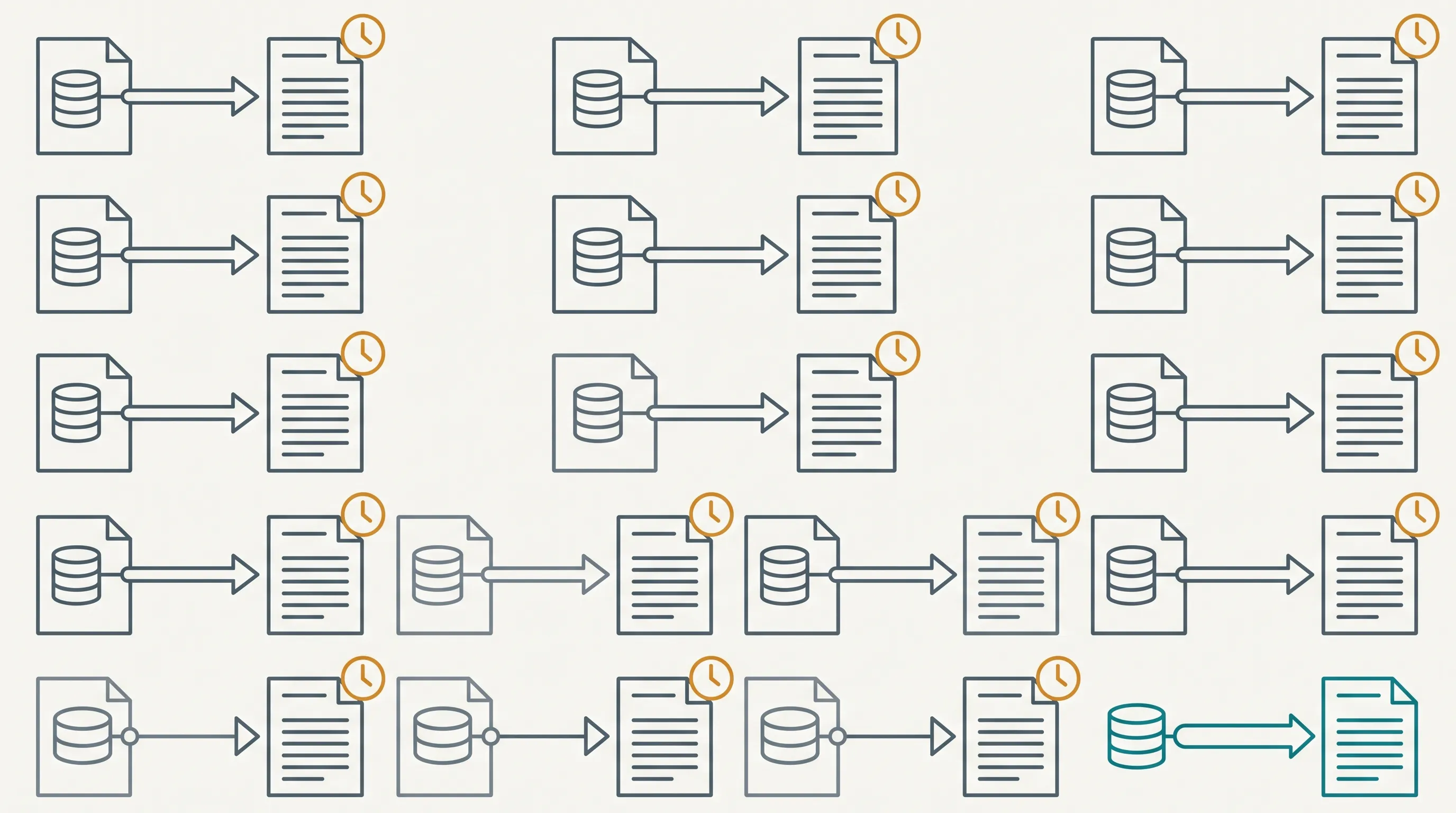
The Real Cost of Manual Campaign Reporting
Manually compiling campaign reports client by client is one of the most common recurring drains on agency time. An industry survey found the majority of agencies spend roughly an hour per client on reporting - which scales into a real weekly cost as the client list grows.
by Youssef Elbeqqal
Client Onboarding Without the Spreadsheet Chaos
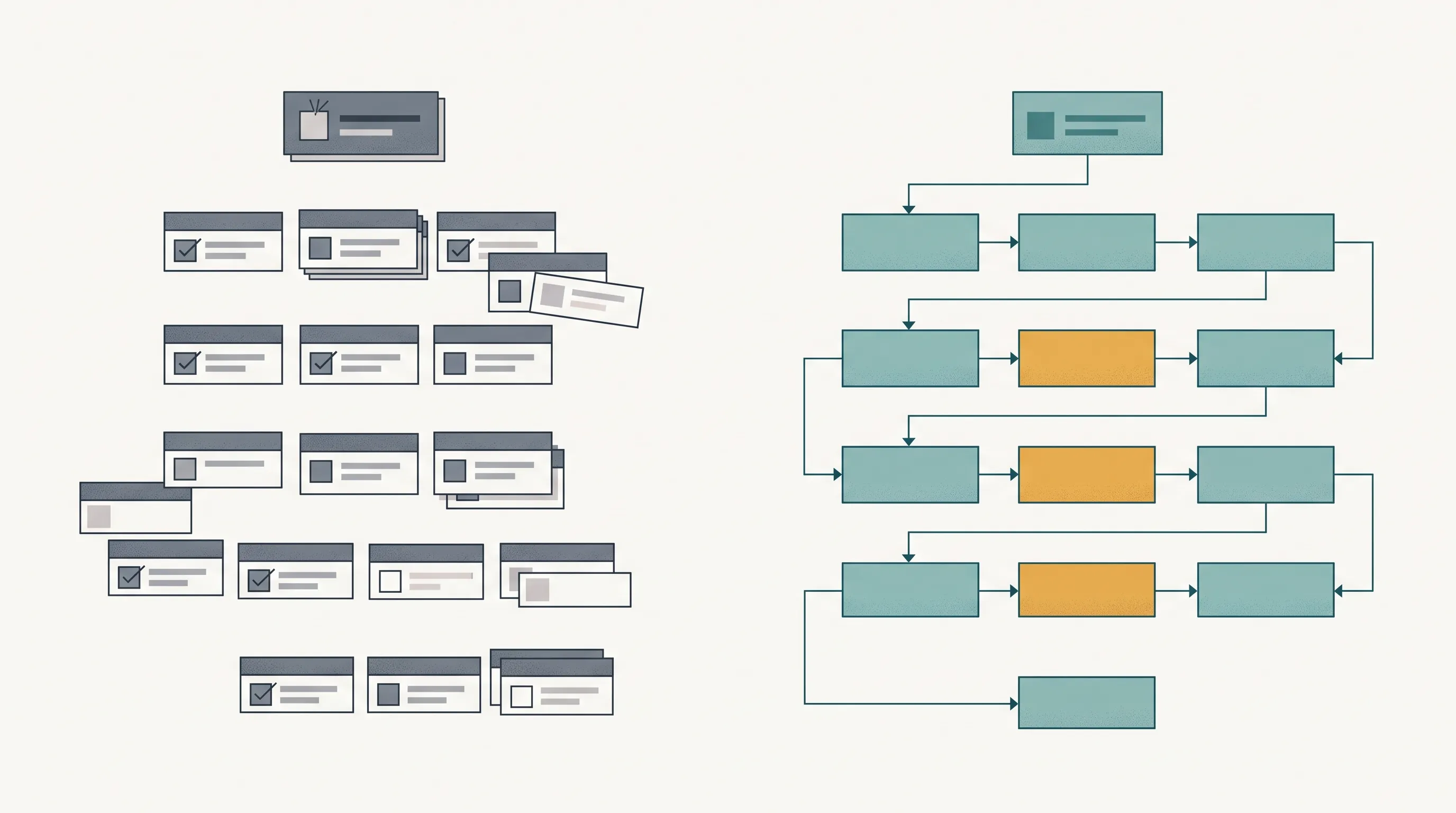
Digital agencies typically take one to two weeks to onboard a new client through a long sequence of manual steps: intake forms, asset collection, tool access, project setup. High-performing teams keep this overhead low; the rest lose disproportionate time to it every time a deal closes.
by Youssef Elbeqqal
Why Not to Fully Automate Client-Facing Work
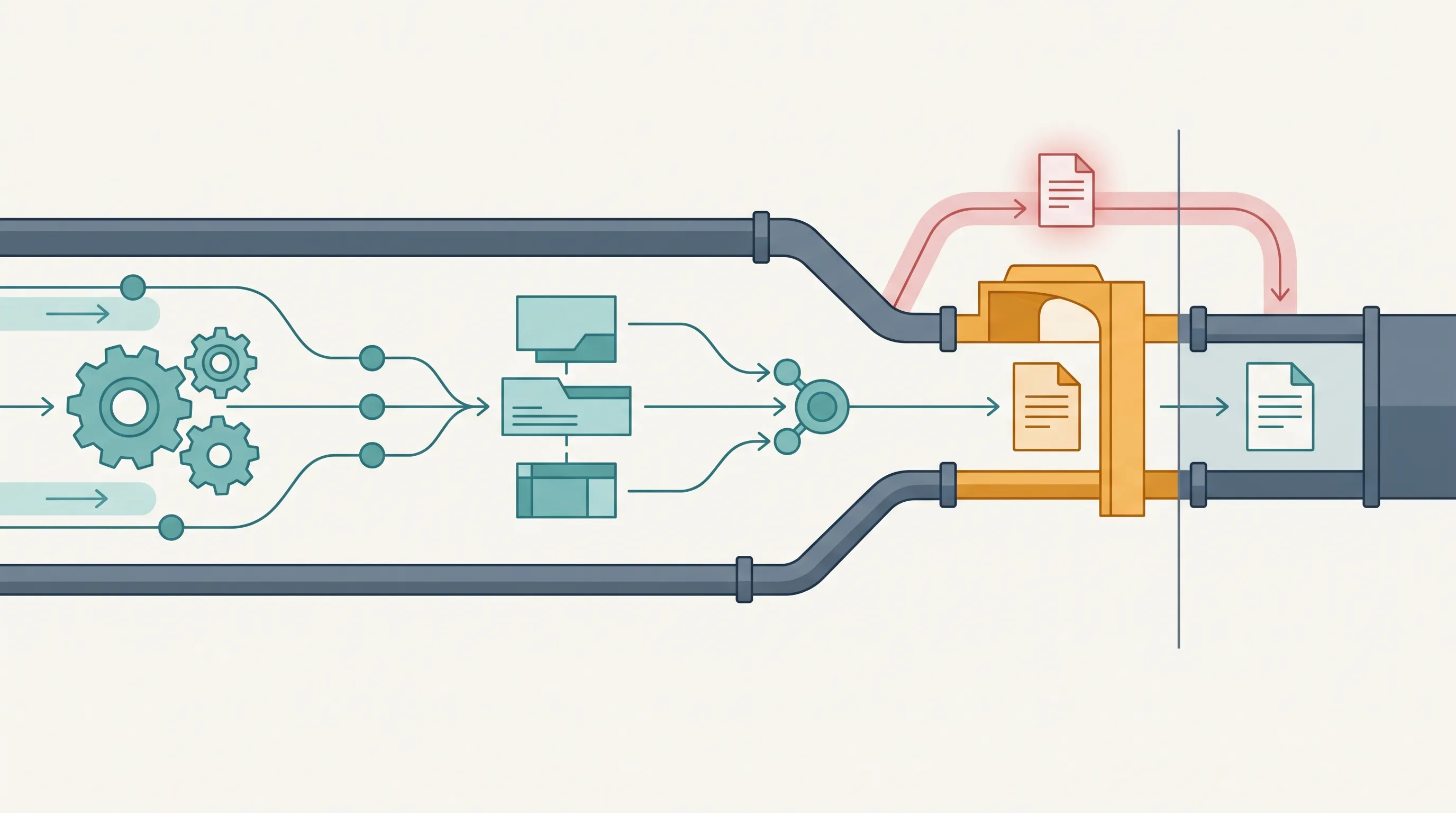
Fully automating client-facing deliverables removes the safety net that catches mistakes before a client sees them. Agencies get more value automating everything around the deliverable - drafting, formatting, routing, status tracking - while keeping a person as the final check.
by Youssef Elbeqqal
What to Automate First in ClickUp Approvals
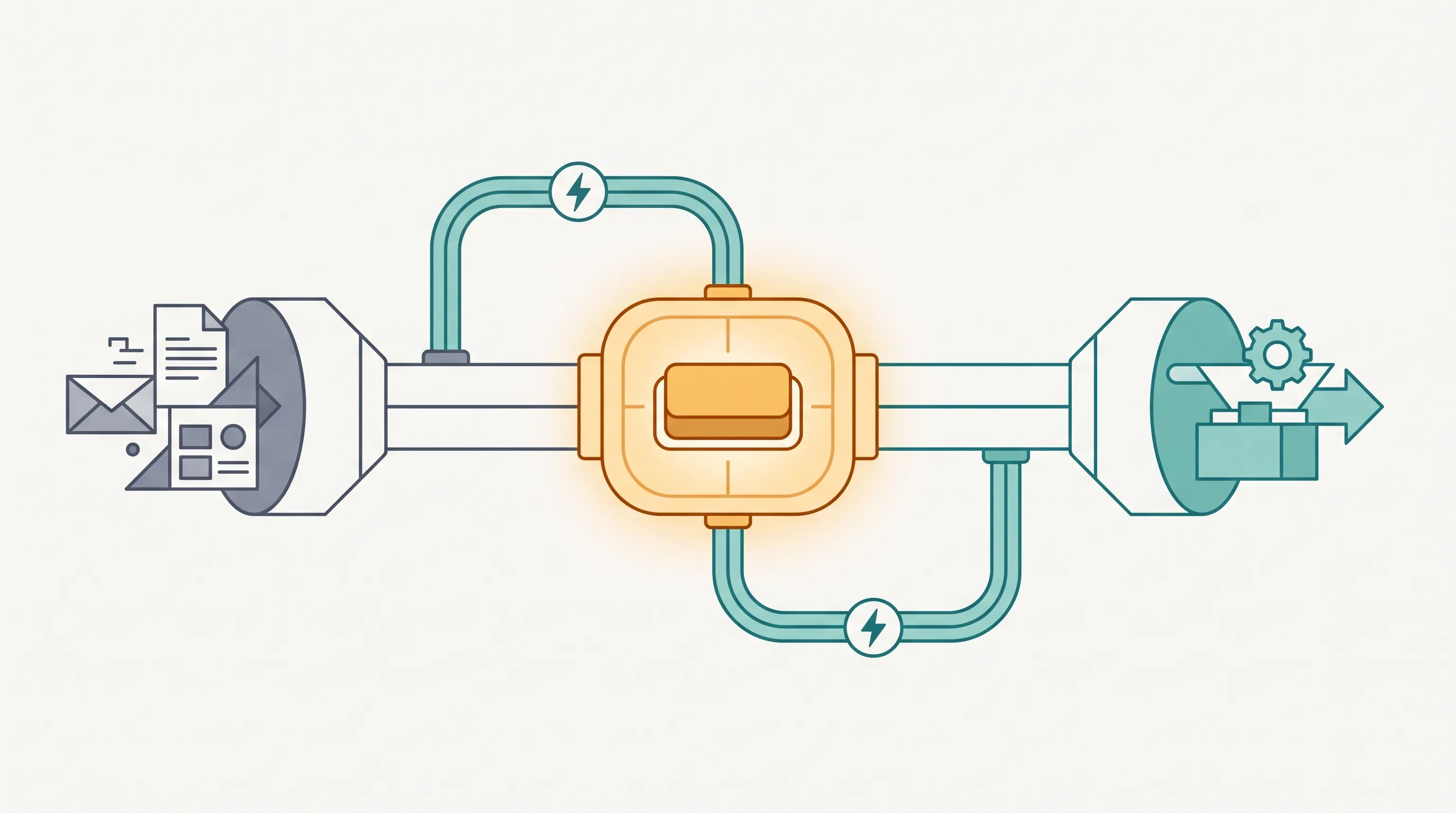
Agencies already running client approvals through ClickUp usually assume the approval step is what needs automating. It isn't - the highest-leverage fixes are the notification, the status update, and the handoff to the next stage, all of which can run automatically without touching who gets to say yes.
by Youssef Elbeqqal
Time Lost Copy-Pasting ClickUp to Airtable
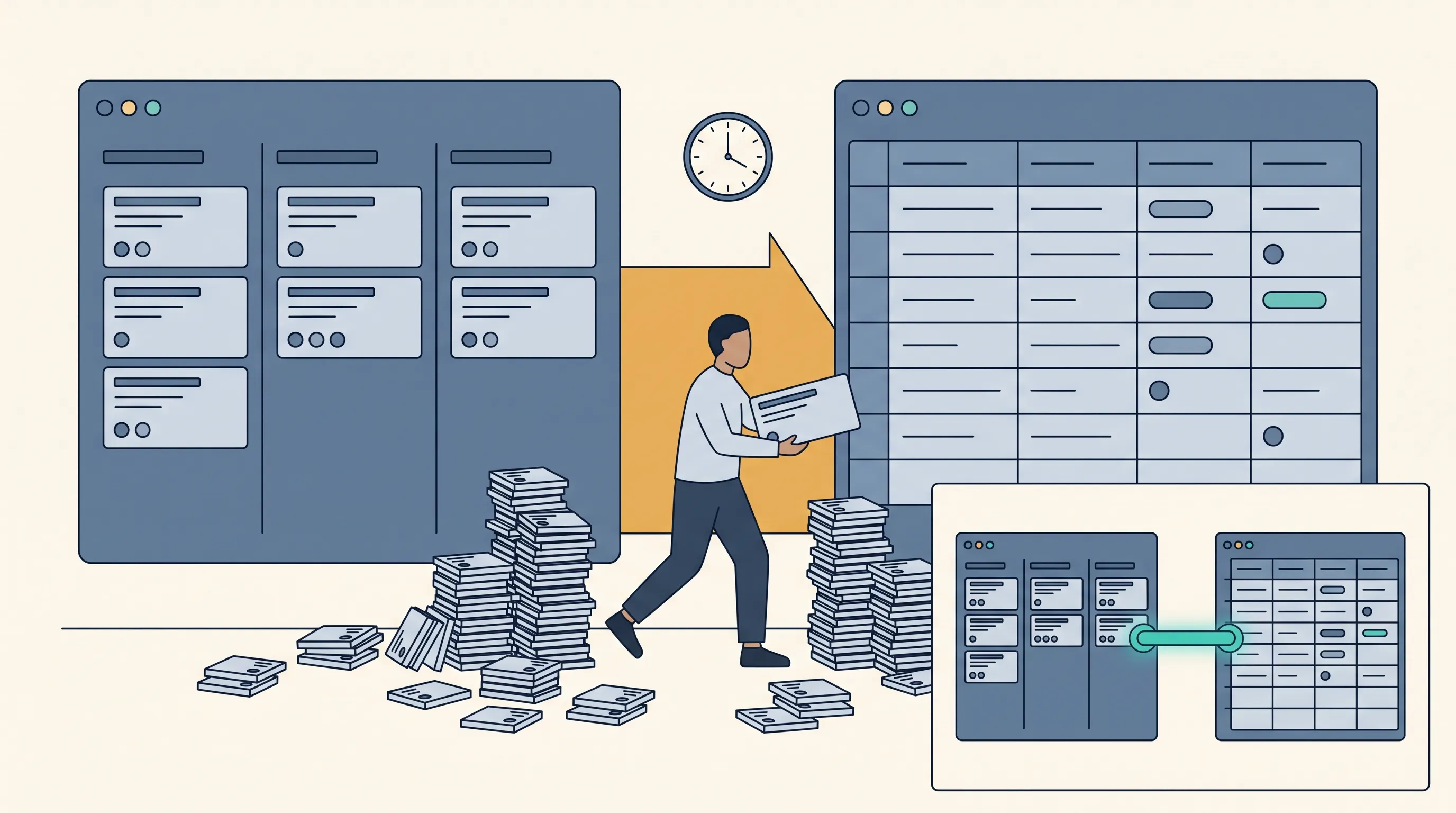
Manually keeping ClickUp and Airtable in sync doesn't show up on anyone's calendar or timesheet, which is exactly why the time it costs never gets questioned. Adding it up per client, per week, usually reveals a bigger number than expected.
by Youssef Elbeqqal
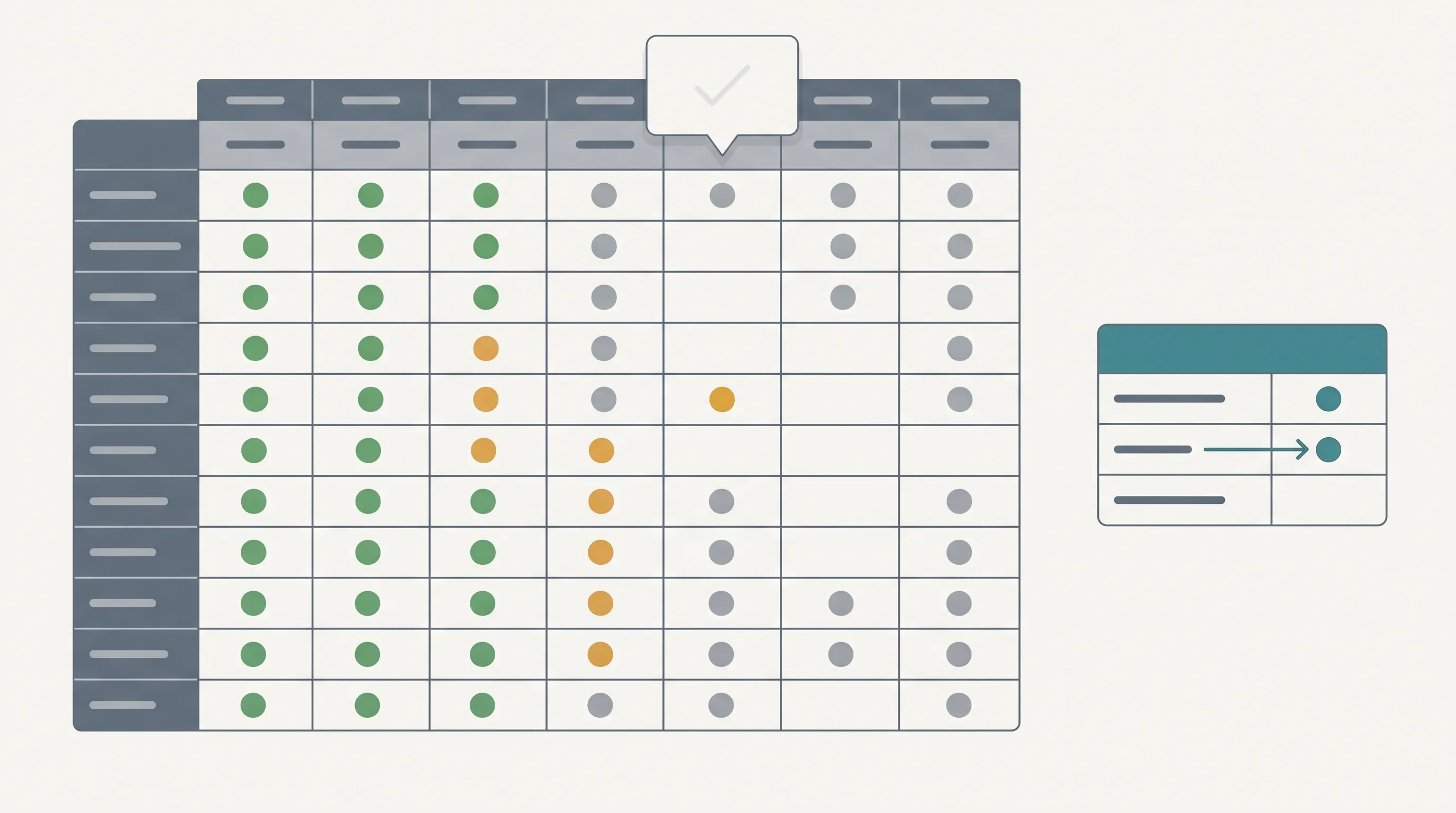
Where Content-Calendar Handoffs Break Down
Content calendars are usually well organized on their own, but the handoff from 'planned' to 'approved' to 'in production' is where agencies lose track of status. Fixing that one handoff fixes most of the calendar's actual reliability problems.
by Youssef Elbeqqal

Why Approval Bottlenecks Cost Billable Hours
Agencies track billable hours closely, but the time lost waiting on client approval rarely gets logged anywhere. Multiplied across every account and every review round, that wait is usually the biggest leak in an agency's margin, and it's fixable without changing the creative process itself.
by Youssef Elbeqqal
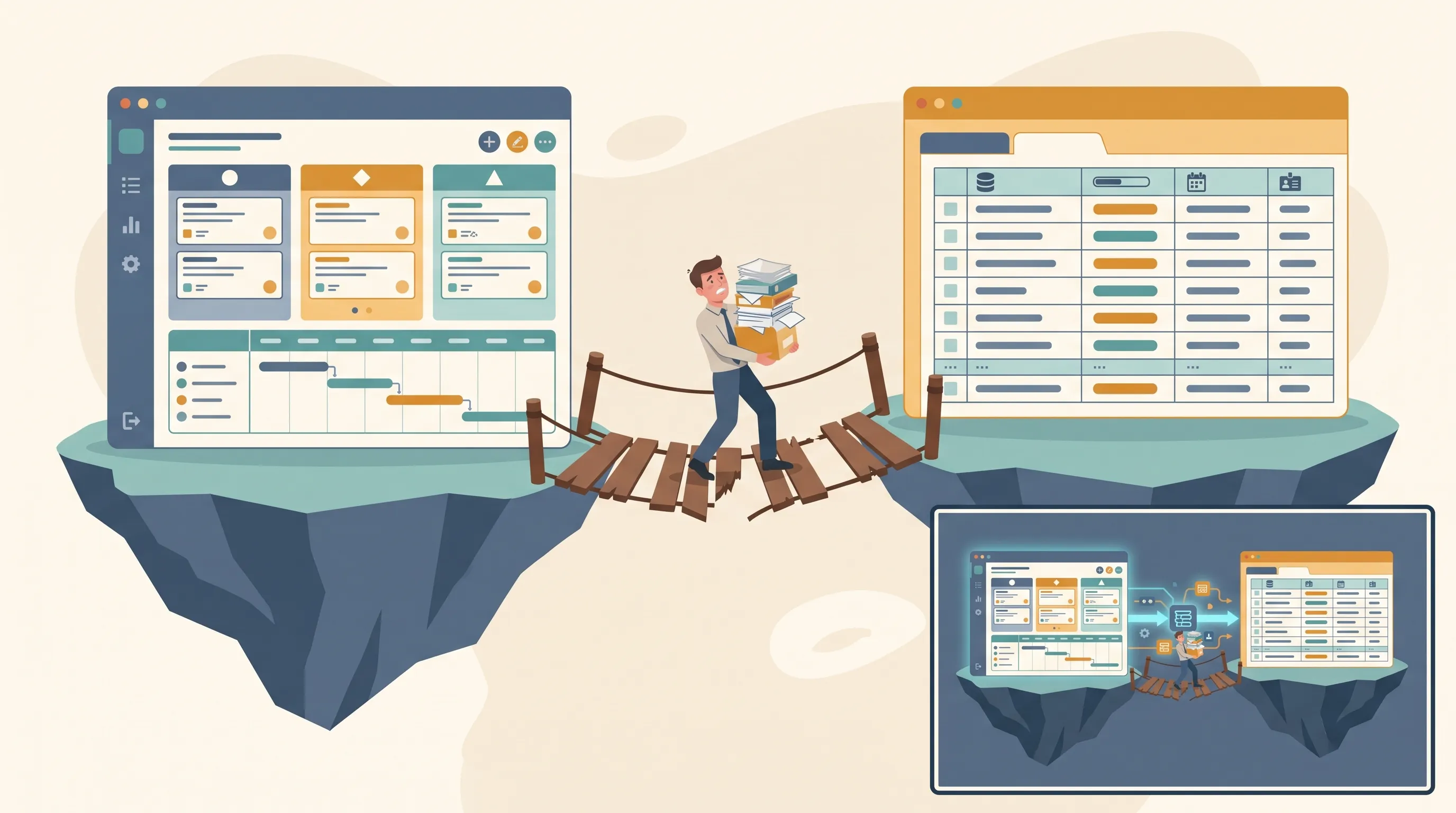
ClickUp + Airtable: The Stack Nobody Replaces
Agencies commonly run ClickUp for tasks and Airtable for structured client data, and both tools are doing the right job. The actual gap is the manual work of keeping the two in sync, which is a connection problem, not a tool problem.
by Youssef Elbeqqal
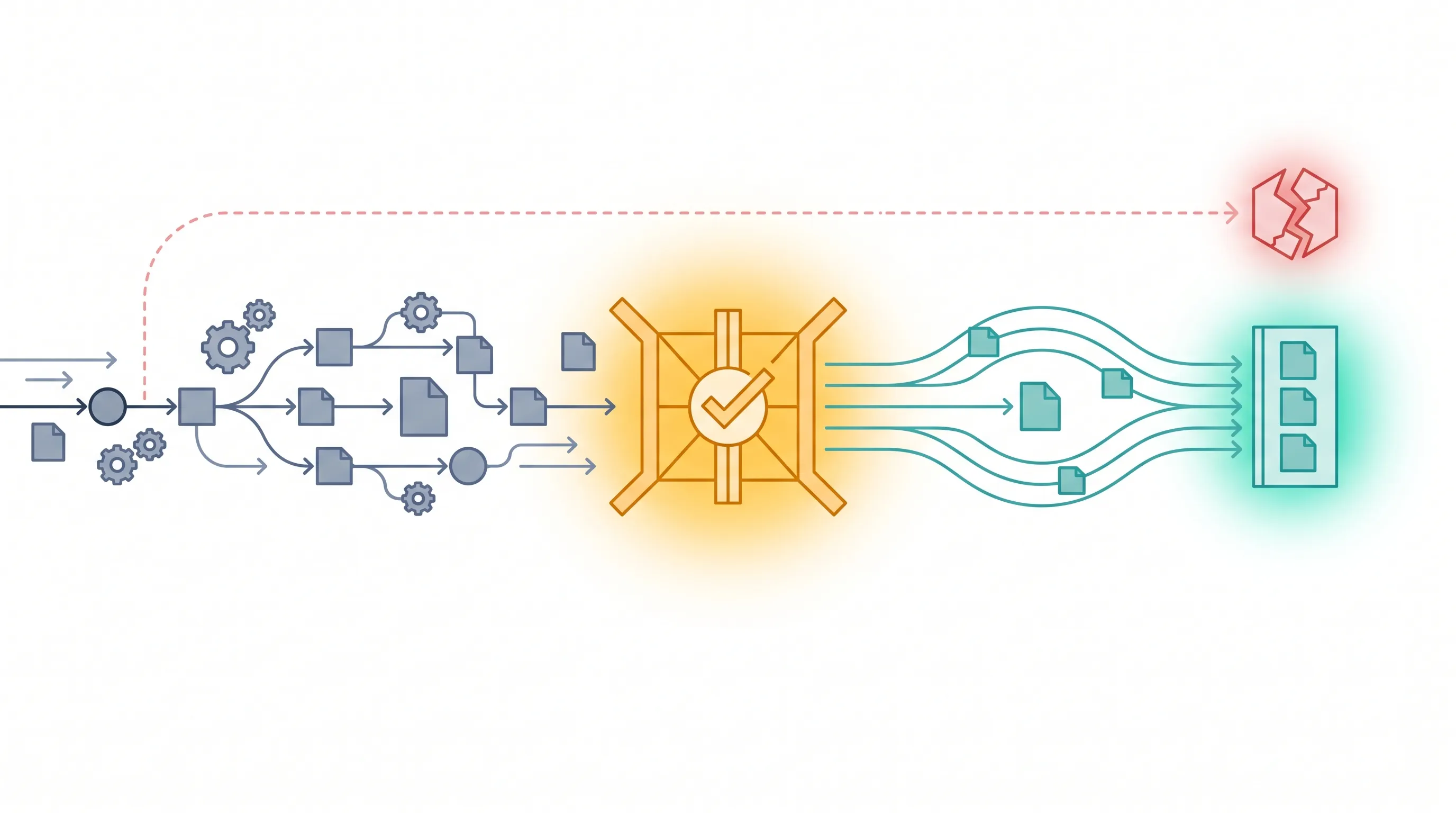
Why Human-in-the-Loop Beats Full Autonomy
Full automation removes people entirely and removes your ability to catch a mistake before it reaches a client. Human-in-the-loop automation does the repetitive work but pauses for approval on anything that matters, which is what actually makes automation safe to trust.
by Youssef Elbeqqal
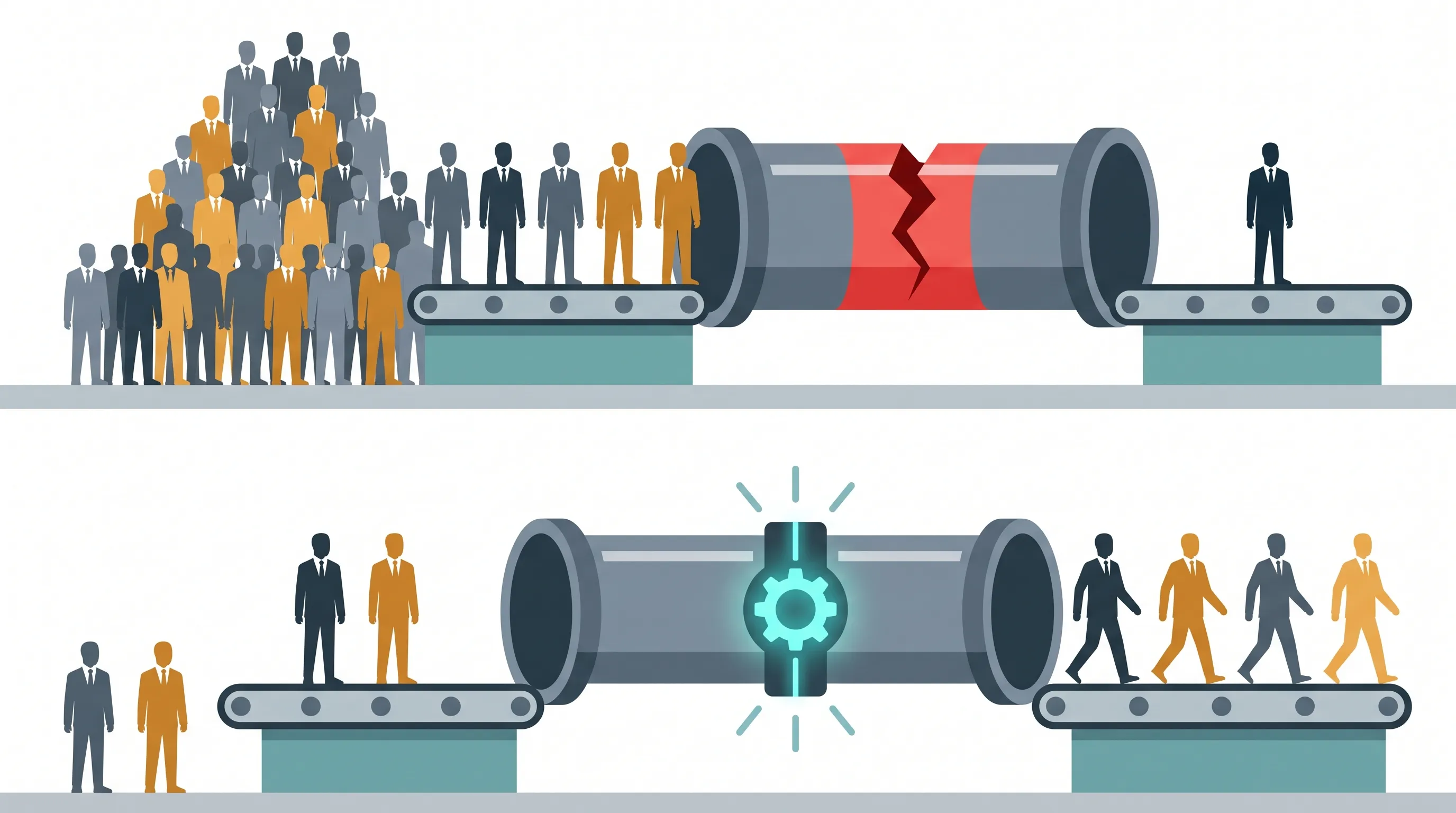
The Hiring Trap: Why Headcount Isn't the Fix
More headcount scales linearly with cost but doesn't fix the underlying process - the same manual handoffs just get repeated by more people. Automating the repetitive parts of a workflow scales output without scaling payroll, and it's usually cheaper and faster than hiring.
by Youssef Elbeqqal