
by Youssef Elbeqqal · August 26, 2026
Why Not to Fully Automate Client-Facing Work
TL;DR
Fully automating client-facing deliverables removes the safety net that catches mistakes before a client sees them. Agencies get more value automating everything around the deliverable - drafting, formatting, routing, status tracking - while keeping a person as the final check.
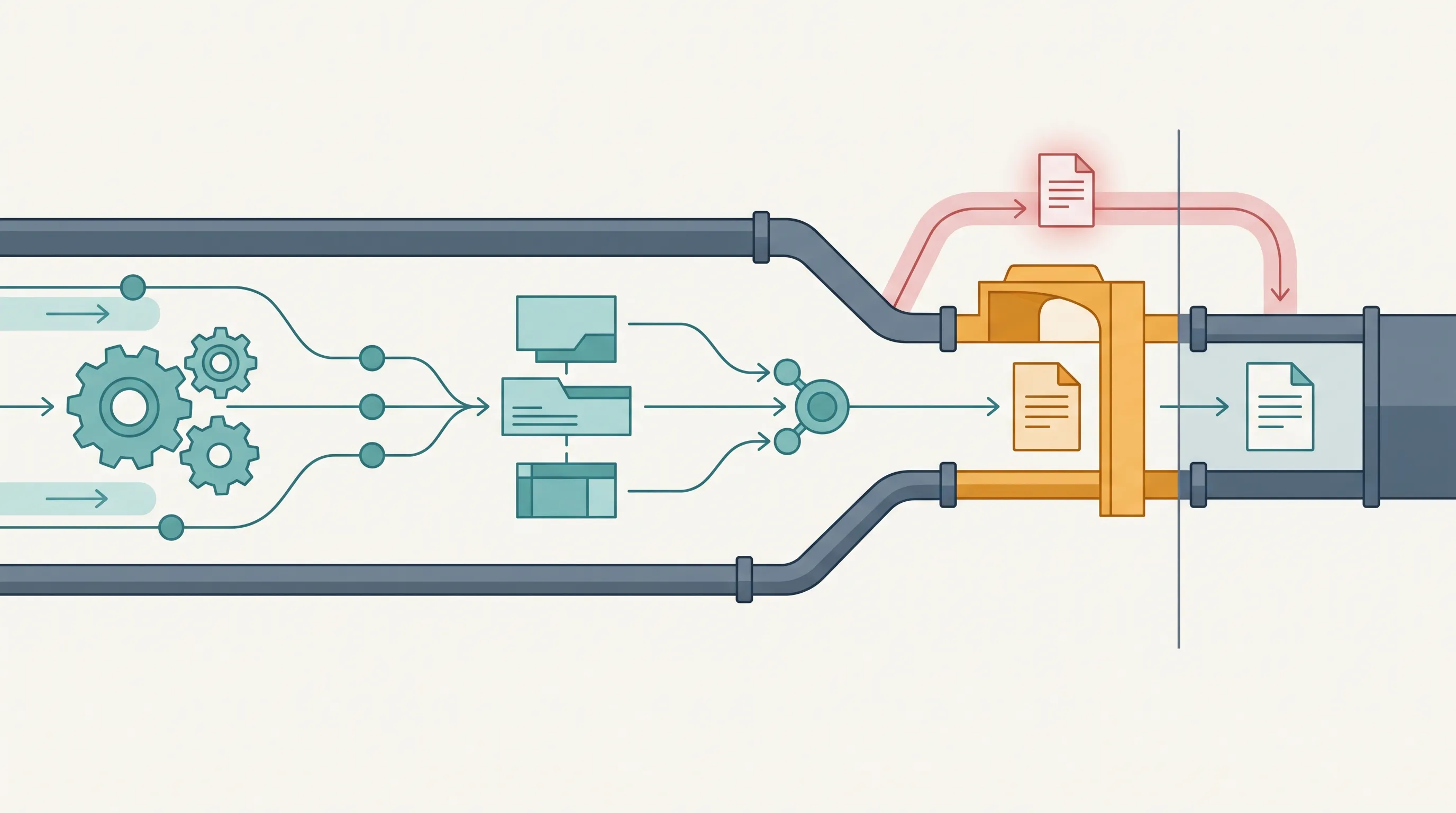
It's tempting to look at a repetitive deliverable - a weekly report, a status update, a routine piece of content - and think the end goal is removing the person entirely. For anything a client actually sees, that's usually the wrong goal.
The failure mode nobody wants to explain to a client
A fully automated pipeline eventually sends something wrong: the wrong client's name in a template, a stat pulled from the wrong date range, a tone that doesn't match the account. None of these are dramatic failures individually, but each one is the kind of mistake that's obvious to the client and invisible to the system that produced it.
What's actually safe to automate
The deliverable itself needs a human final check. Everything that produces the deliverable usually doesn't: pulling the data, drafting the first version, formatting it to spec, routing it to the right reviewer. That's most of the actual work, and none of it requires judgment about how a specific client will read the result.
The middle ground that ships faster, not slower
This is exactly what human-in-the-loop automation is built around: automate the repetitive 90%, keep a person on the last 10% that actually touches the client relationship. Teams trust this faster than full automation, because the trust required is smaller - just "nothing goes out without someone looking at it first."
Applying this to agency delivery
For agencies specifically, this usually means automating report generation, draft assembly, and status routing, while every piece with a client's name on it still gets a human glance before it ships - see how this plays out in tool integrations and workflow design.