
by Youssef Elbeqqal · September 7, 2026
Reporting Cadence vs. What Clients Read
TL;DR
Once the data pull behind a client report is automated, it gets tempting to just include everything, since adding another metric is now free. That's part of why so many agency reports go unread: the fix isn't more automated data, it's automating the assembly while a person still decides cadence and what actually gets said.
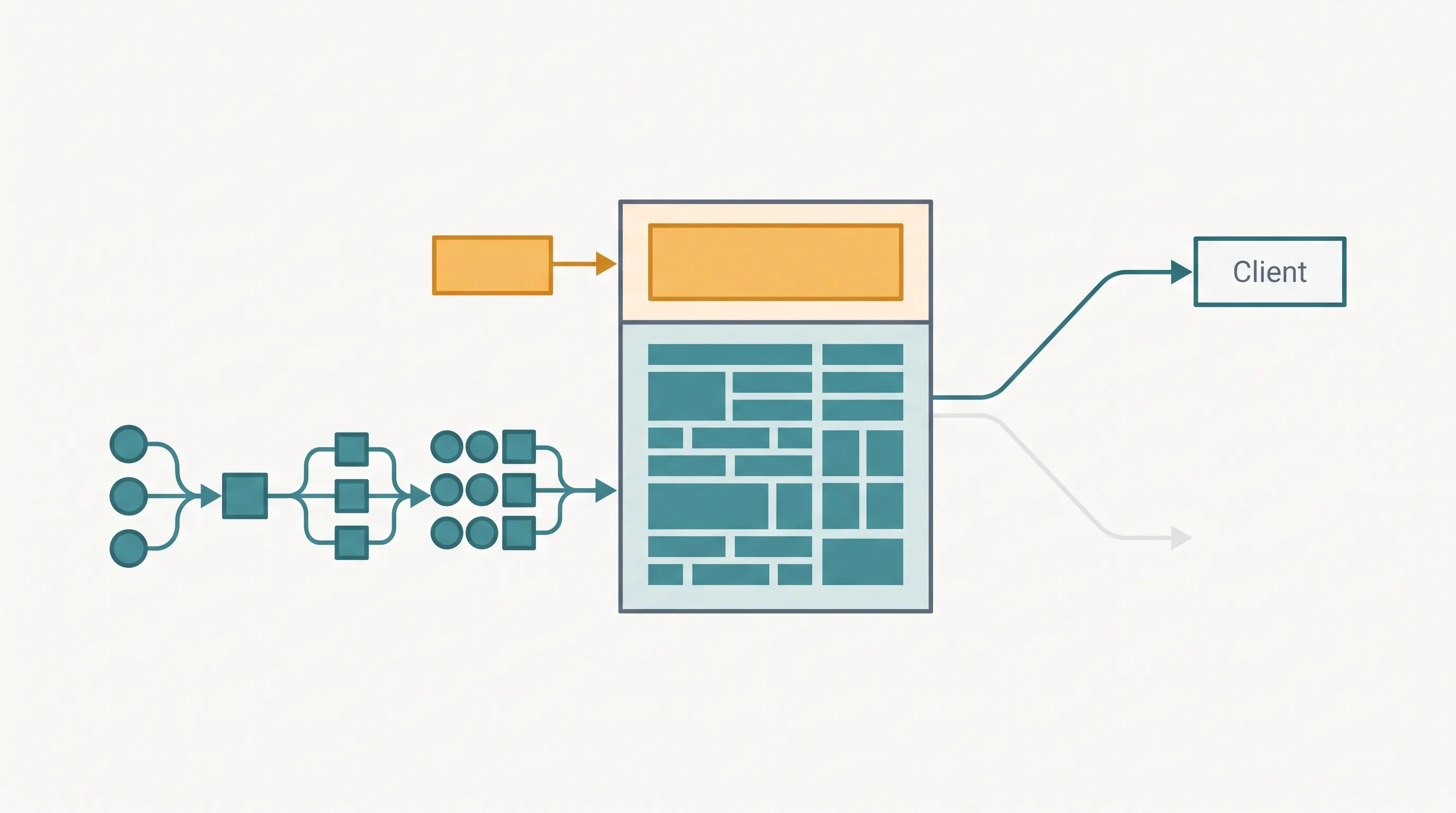
Automate the data pull behind a client report and a new problem shows up almost immediately: since adding another chart or metric no longer costs any time, it's tempting to add all of them. The report gets longer. It doesn't get more useful.
Automating the pull creates a different problem
The labor cost of manual reporting is real, and automating the pull and template assembly is the right fix for it. But once that part is free, the report tends to grow rather than shrink, and length was never what made a report useful to the client reading it.
More data isn't a better report
A survey cited in one agency reporting guide found that 42.86% of clients in digital marketing were unsatisfied with their agency's reports. Reports built around what's easy to pull, rather than what the client actually needs to decide on, are a large part of why. A twelve-tab dashboard nobody asked for isn't a substitute for the one paragraph that says what changed and what to do about it.
The cadence question nobody revisits
Reporting cadence usually gets set once, at kickoff, and never gets reconsidered even as the engagement changes. A paid-media account that needs weekly attention in the first ninety days doesn't necessarily need it a year in, once performance has stabilized and the client has stopped opening every email the day it lands. Cadence deserves the same periodic review as the report's content, not a default that just carries forward.
What to automate, what to keep human
The data pull, the formatting, and hitting send on schedule are exactly the kind of repeatable steps worth automating; nothing about them benefits from a person doing them by hand. What should stay human is the short, specific summary: what actually changed, what it means for this client, and what happens next. That's the part that needs a person to look at before it goes out, not another automated field.
How this fits with the rest of agency ops
This is the same tradeoff behind a repeatable client onboarding: automate the steps that don't need judgment, and protect the time of the person making the calls that do. See how Automatoro builds reporting workflows around a team's existing tools instead of adding another dashboard nobody asked for.