
by Youssef Elbeqqal · September 15, 2026
When No One Owns the Whole Client Account
TL;DR
A client account split into a paid specialist, a creative specialist, and a reporting specialist ran fine for 8 months, until performance dipped and each specialist checked only their own part and called it fine. Fewer handoffs, not another specialist, turned out to be the actual fix.
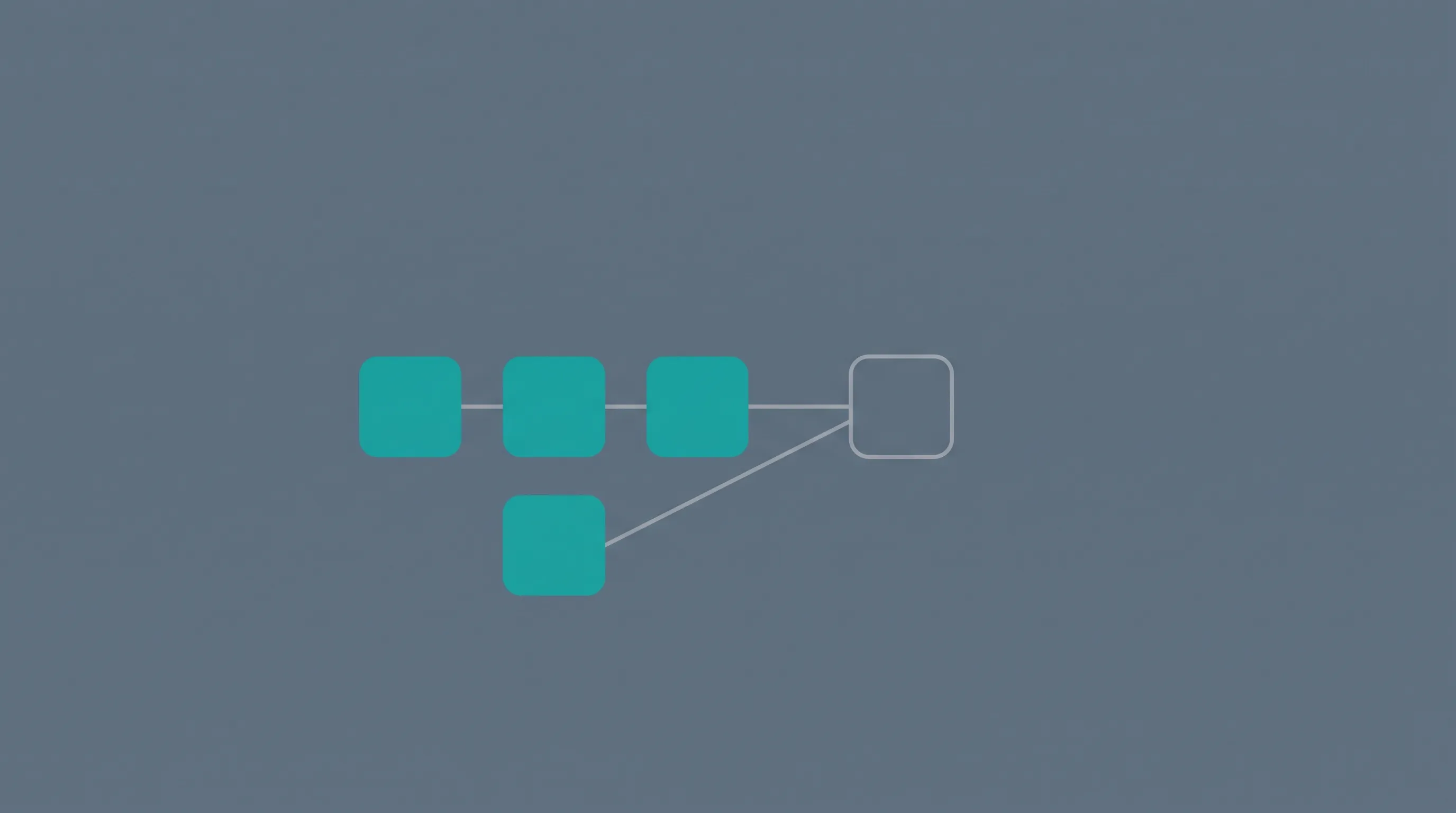
An agency owner described a client setup that looked fine for about 8 months: one person handling paid, another on creative, someone else on reporting, plus the client's own internal marketing manager trying to keep up with all three. Nothing was broken. Then performance dipped for a couple of weeks, and it got strange, because each specialist checked their own slice and said it looked fine on their end. Nobody was wrong. Nobody was looking at the whole account either.
Specialized doesn't mean owned
Splitting paid, creative, and reporting across three people looks like the sophisticated setup, more expertise per channel, cleaner lanes of responsibility. What it actually buys is three narrow views and zero people whose job is the whole picture. The same trade shows up whenever headcount gets added to absorb more volume: more hands doesn't automatically mean better coverage, it can just mean more seams.
Every small change costs three messages and a meeting
That's the tax that specialization quietly adds. A tweak that touches paid and creative together now needs both specialists looped in, probably a meeting, before anything moves. None of that shows up as a line item anywhere. It just slows down every change that isn't neatly contained inside one person's lane, which in a real account is most of them.
When it actually breaks, everyone checks their own part first
The revealing moment wasn't the dip itself, it was what happened when someone asked about it. Each specialist looked at their own numbers, saw nothing obviously wrong on their end, and said so. That's not anyone covering for themselves. It's what happens when responsibility is split by channel but the outcome the client actually cares about, overall performance, isn't owned by anyone specifically. The same gap shows up whenever a client-facing deliverable stalls with no one tracking it: work that's everyone's job a little bit is nobody's job enough.
The client shouldn't be the one connecting the dots
The line that mattered most: the client shouldn't have to be the one linking paid, creative, and reporting together just to understand what's going on with their own account. If a client has to hold the full picture in their head because the agency's internal structure splits it into three, the org chart is showing, and it's showing to the person paying for all of it.
Fewer handoffs, not another specialist
The fix wasn't hiring a fourth specialist to coordinate the other three. It was cutting handoffs. The same threshold shows up as agencies scale past a certain client count: the setup that looked sophisticated on paper, one expert per channel, started working better once it was simpler, even though simpler looks less impressive in a deck. Automatoro's own read on this is the same reason the fix is usually connecting what already exists instead of adding another role: a shared, synced view of the account beats a better-staffed version of three disconnected ones.
See how workflow automation gives one person, or one system, the whole picture instead of three partial ones.